
Apple vs Android: Who Actually Supports Their Phones Longer? (Data Study)
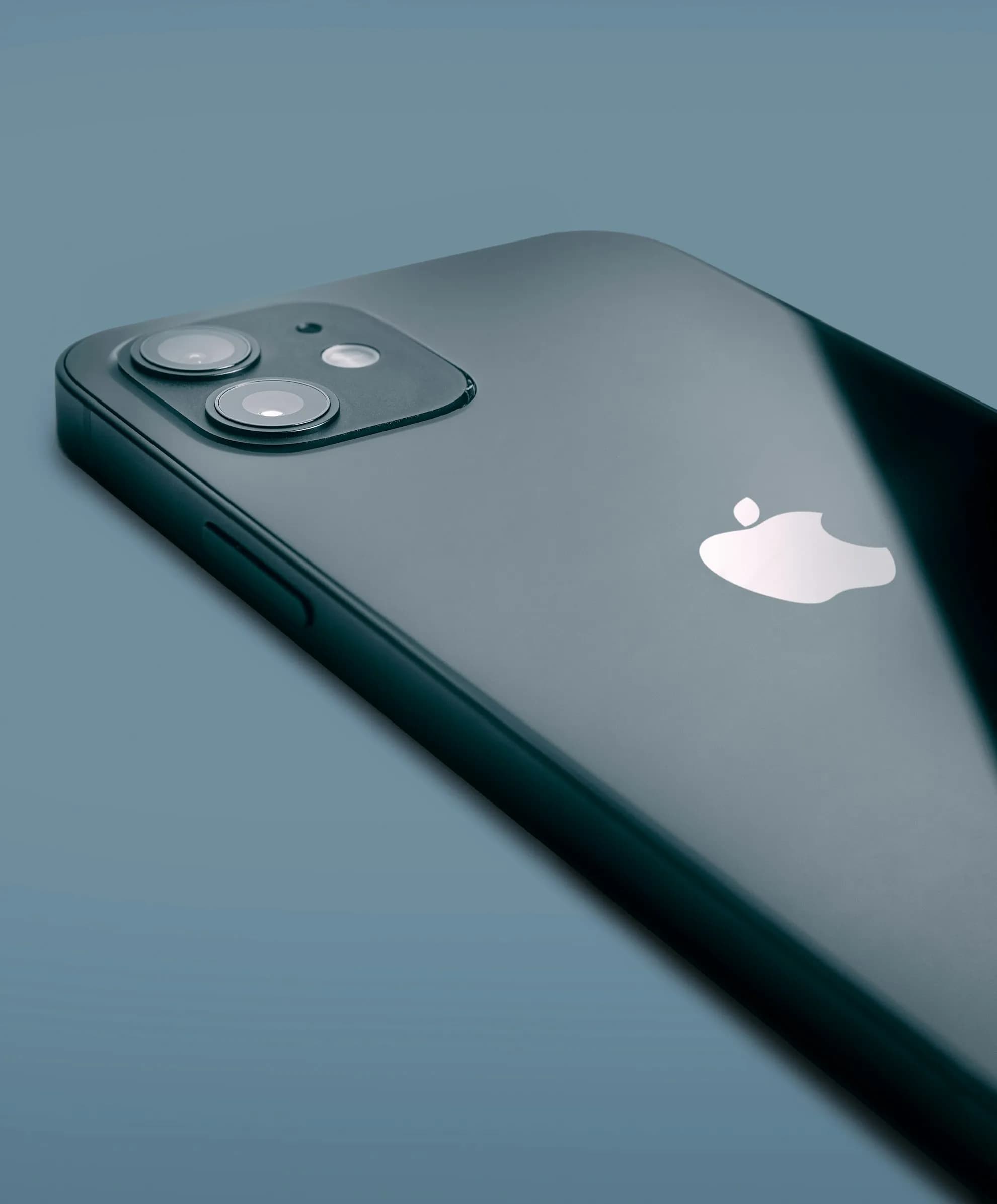
The battle for longevity has shifted. We track the official update promises of major brands and compare them against actual historical delivery.
For years, Apple was the undisputed king of software support, with iPhones receiving updates for 6-7 years while Android flagships were lucky to get two. In 2026, the landscape has changed dramatically. Google and Samsung have both committed to 7 years of updates, challenging the "Apple Longevity" narrative.
The Promises: A Breakdown
By 2026, the industry standard for "Premium Support" is as follows:
- Samsung: 7 years of OS updates + 7 years of security patches (since S24 series).
- Google: 7 years of OS updates + 7 years of security patches (since Pixel 8 series).
- Apple: No "official" promise, but historically delivers 6-7 years of iOS updates.
- Xiaomi: 4 years of OS updates + 5 years of security patches (Flagships only).
Reality Check: Promise vs. Performance
While a promise is good, historical data shows how brands actually behave:
- Apple: Consistently updates every phone in its lineup simultaneously.
- Samsung: Updates its latest flagships within 30 days, but mid-range and older models often wait 3-6 months.
- Google: Provides "Day Zero" updates for all its devices globally.
Hardware Longevity: The "Battery Wall"
Even if a phone receives a software update in year 7, the hardware may not be capable of running it.
- iPhone: Software is highly optimized, but older batteries often trigger "Performance Management" (throttling) to prevent shutdowns.
- Pixel: Tensor chips are designed with AI longevity in mind, but their 4nm/5nm architectures may struggle with 2030-era software requirements.
Historical Support Timeline
| Model | Release Year | Final OS Version (Est) | Total Years |
|---|---|---|---|
| iPhone 13 | 2021 | iOS 24 (2027) | 6 Years |
| Galaxy S24 | 2024 | Android 21 (2031) | 7 Years |
| Pixel 8 | 2023 | Android 21 (2030) | 7 Years |
| Xiaomi 14 | 2024 | HyperOS 5 (2028) | 4 Years |
The "Security Only" Phase
It is important to distinguish between Full OS Updates (new features) and Security Patches. Most brands move phones to a "Quarterly Security" phase after the first 3 years, which keeps the phone safe but doesn't add new functionality.
Summary
In 2026, the Samsung Galaxy and Google Pixel have technically overtaken Apple in "promised" longevity. However, Apple still holds the crown for the most consistent and simultaneous delivery of updates across all active devices.
TechChooser Team
TechChooser Editorial Team
Related Articles

Global vs Regional Specs: How Brands Downgrade Phones for Certain Markets
Not all "Pro" models are the same. We investigate how manufacturers change sensors, chipsets, and even charging speeds based on the country of sale.
How Carrier-Locked Phones Differ in Specs from Unlocked Versions
More than just a contract. We reveal the hidden hardware and software differences between the phone you buy from a carrier vs. the one you buy from the manufacturer.
Plastic vs Glass vs Titanium: The Shift in Smartphone Materials
From polycarbonate to aerospace-grade metal. We analyze the technical pros and cons of the three primary smartphone build materials in 2026.