
Are "Pro" Models Actually Pro? A Spec-by-Spec Data Comparison
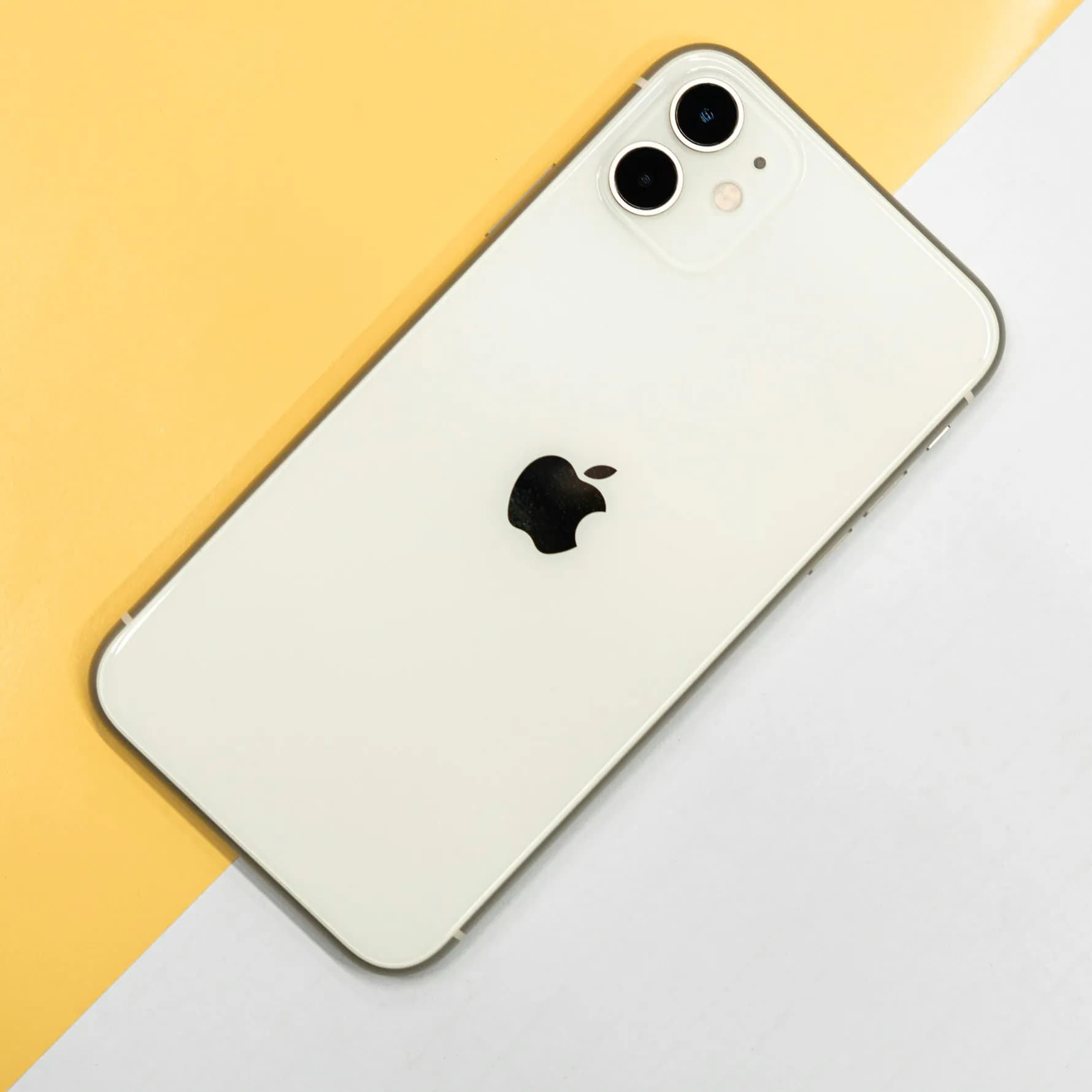
Marketing vs. Reality. We compare "Pro" and "Base" models across major brands to see if the hardware upgrades justify the $200+ price jump.
In 2026, the "Pro" suffix has become a staple of smartphone marketing. But what does it actually mean? Our data study compares the base and Pro models from Apple, Google, and Xiaomi to see where the real differences lie and where the marketing takes over.
The "Pro" Essentials
Historically, a "Pro" model should offer:
- Better Display: 120Hz LTPO vs. 60Hz or 90Hz LTPS.
- Superior Cameras: Dedicated telephoto lenses and larger main sensors.
- More RAM/Storage: Usually 2GB to 4GB more RAM.
- Premium Materials: Titanium or Stainless Steel vs. Aluminum.
1. Apple (iPhone 17 vs. 17 Pro)
Apple maintains the clearest distinction. The Pro model includes the Always-On Display, the Telephoto lens, and the faster A17 Pro chip.
- The Data: The Pro model costs 25% more but offers 40% more camera versatility and a 50% brighter screen. This is one of the few instances where the "Pro" hardware genuinely offers a different experience.
2. Google (Pixel 10 vs. 10 Pro)
Google has closed the gap. Both use the same Tensor G5 chip, but the Pro adds a periscope zoom and a higher-resolution screen.
- The Data: For many users, the base Pixel 10 offers 90% of the Pro experience for 70% of the price. The "Pro" label here is largely for photography enthusiasts.
3. Xiaomi (16 vs. 16 Pro)
Xiaomi uses the same processor in both, but the Pro gets a massive bump in charging speed (120W vs 67W) and a much larger main camera sensor.
The "False" Pro Features
Our analysis shows that several "Pro" features are artificially restricted:
- Refresh Rates: There is no technical reason why a $700 phone cannot have 120Hz, but brands keep it "Pro-only" to drive upsells.
- USB Speeds: Restricting the USB-C port to 2.0 speeds on base models is a common tactic to make the Pro model’s 3.0/4.0 speeds seem like a major upgrade.
Comparison: Value of "Pro" Upgrades
| Feature | Actual BOM Cost | Consumer Price Increase | Markup |
|---|---|---|---|
| Telephoto Lens | ~$15 | $100 | 666% |
| LTPO Display | ~$10 | $100 | 1000% |
| Titanium Frame | ~$8 | $50 | 625% |
Summary
The "Pro" models are generally not a good value from a pure hardware perspective. You are paying a massive premium for features that cost the manufacturer very little to include. However, if you are a professional photographer or a high-end mobile gamer, the iPhone 17 Pro and Xiaomi 16 Pro remain the only way to access the best mobile components.
TechChooser Team
TechChooser Editorial Team
Related Articles

Global vs Regional Specs: How Brands Downgrade Phones for Certain Markets
Not all "Pro" models are the same. We investigate how manufacturers change sensors, chipsets, and even charging speeds based on the country of sale.

How Carrier-Locked Phones Differ in Specs from Unlocked Versions
More than just a contract. We reveal the hidden hardware and software differences between the phone you buy from a carrier vs. the one you buy from the manufacturer.

Plastic vs Glass vs Titanium: The Shift in Smartphone Materials
From polycarbonate to aerospace-grade metal. We analyze the technical pros and cons of the three primary smartphone build materials in 2026.