
Best Smartphones with Reverse Wireless Charging
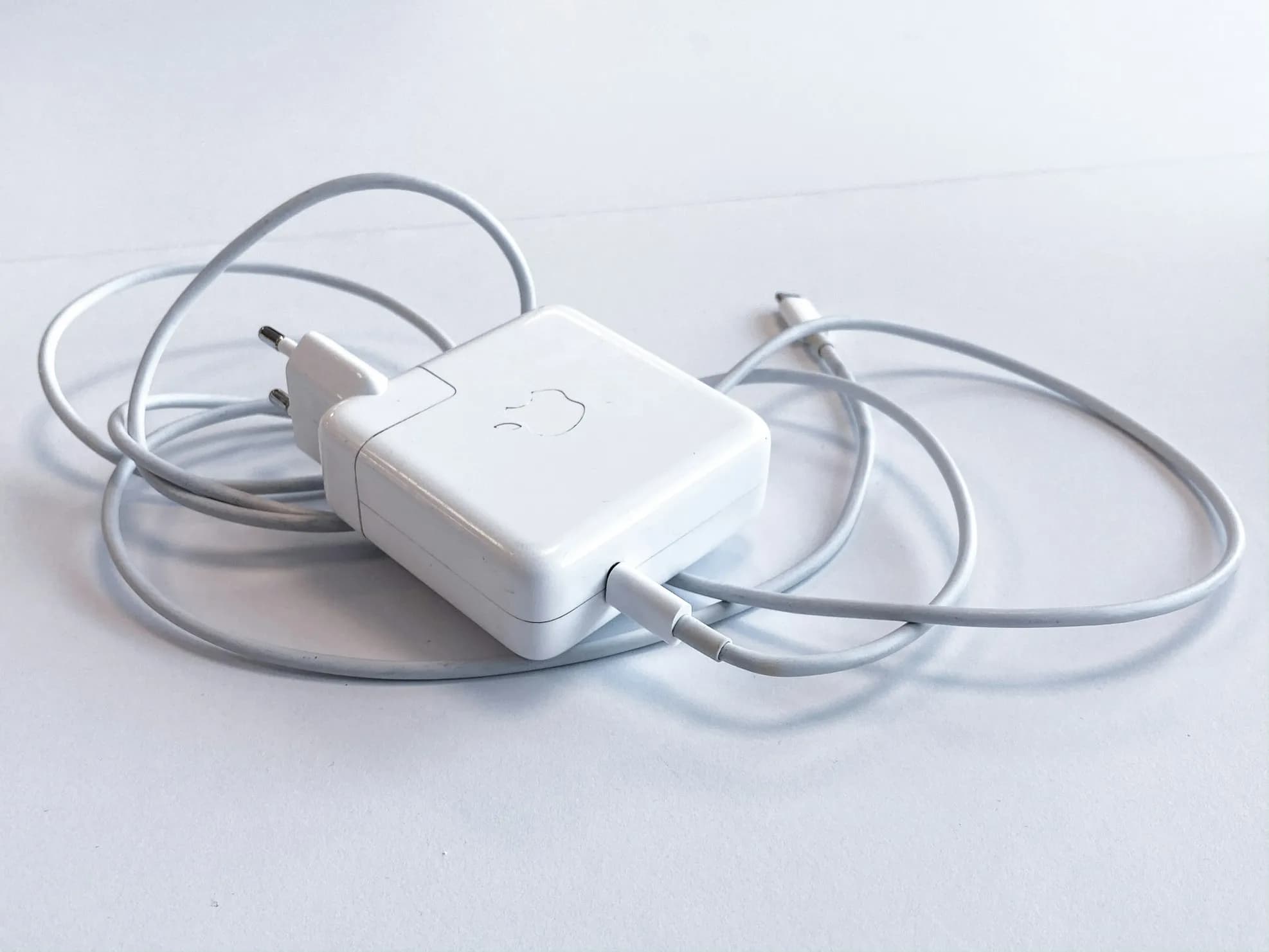
Your phone is now a power bank. We analyze the efficiency and speed of reverse wireless charging in 2026 flagships.
Reverse wireless charging (also known as Wireless PowerShare) allows you to use your phone's battery to charge other Qi-compatible devices, such as wireless earbuds or smartwatches. In 2026, this feature has matured from a gimmick to a genuine utility, with improved speeds and better heat management.
How it Works
The induction coil used for wireless charging is "reversed," allowing it to output power instead of receiving it. However, because of the small size of the coil, efficiency is typically around 50-60%. This means you lose more battery than the target device gains.
1. Samsung Galaxy S26 Ultra (15W Reverse)
Samsung led the way with this feature. The S26 Ultra offers "Fast Wireless PowerShare," capable of up to 15W output. This is enough to charge a pair of Galaxy Buds from 0 to 50% in about 20 minutes, which is faster than most competitors.
2. Google Pixel 10 Pro (Battery Share)
Google’s "Battery Share" is highly intelligent. It automatically stops if your phone’s battery drops below a certain percentage (configurable by the user). Its 10W output is stable and generates less heat than Samsung’s higher-wattage solution.
3. Xiaomi 16 Pro (High-Speed Reverse)
Xiaomi has pushed the limit with 20W reverse wireless charging. While it requires perfect alignment and can heat up the phone significantly, it is the fastest way to charge another phone in an emergency without a cable.
When to Use It (and When Not To)
- Do Use It: For small accessories like earbuds, watches, or trackers.
- Do Use It: In emergencies to give a friend enough power (1-5%) to send a text or make a call.
- Don't Use It: To fully charge another phone; the heat generated will degrade your own battery over time.
- Don't Use It: If your phone is already hot from gaming or sunlight.
Comparison Table: Reverse Charging Speeds
| Model | Output Wattage | Auto-Stop Feature | Efficiency |
|---|---|---|---|
| Galaxy S26 Ultra | 15W | Yes | 55% |
| Pixel 10 Pro | 10W | Yes (Customizable) | 60% |
| Xiaomi 16 Pro | 20W | Yes | 50% |
Summary
The Samsung Galaxy S26 Ultra offers the best balance of speed and software control, while the Google Pixel 10 Pro is the safest choice for preserving your own battery health.
TechChooser Team
TechChooser Editorial Team
Related Articles

Best E-Ink Smartphones for Reading and Eye Strain
A Kindle in your pocket. We evaluate the niche but growing market of E-Ink smartphones that prioritize eye health and battery life.
Top Phones with UFS 4.0 Storage for Faster Load Times
Storage speed is the new bottleneck. We identify the smartphones using UFS 4.0 and how it improves everything from app launches to file transfers.

Phones with S-Pen or Stylus Support: Alternatives to the S-Ultra
Digital ink for everyone. We explore the smartphones that support active or passive styluses, from flagship to budget options.