
The Fast Charging Race: How Heat Dissipation Specs Have Changed
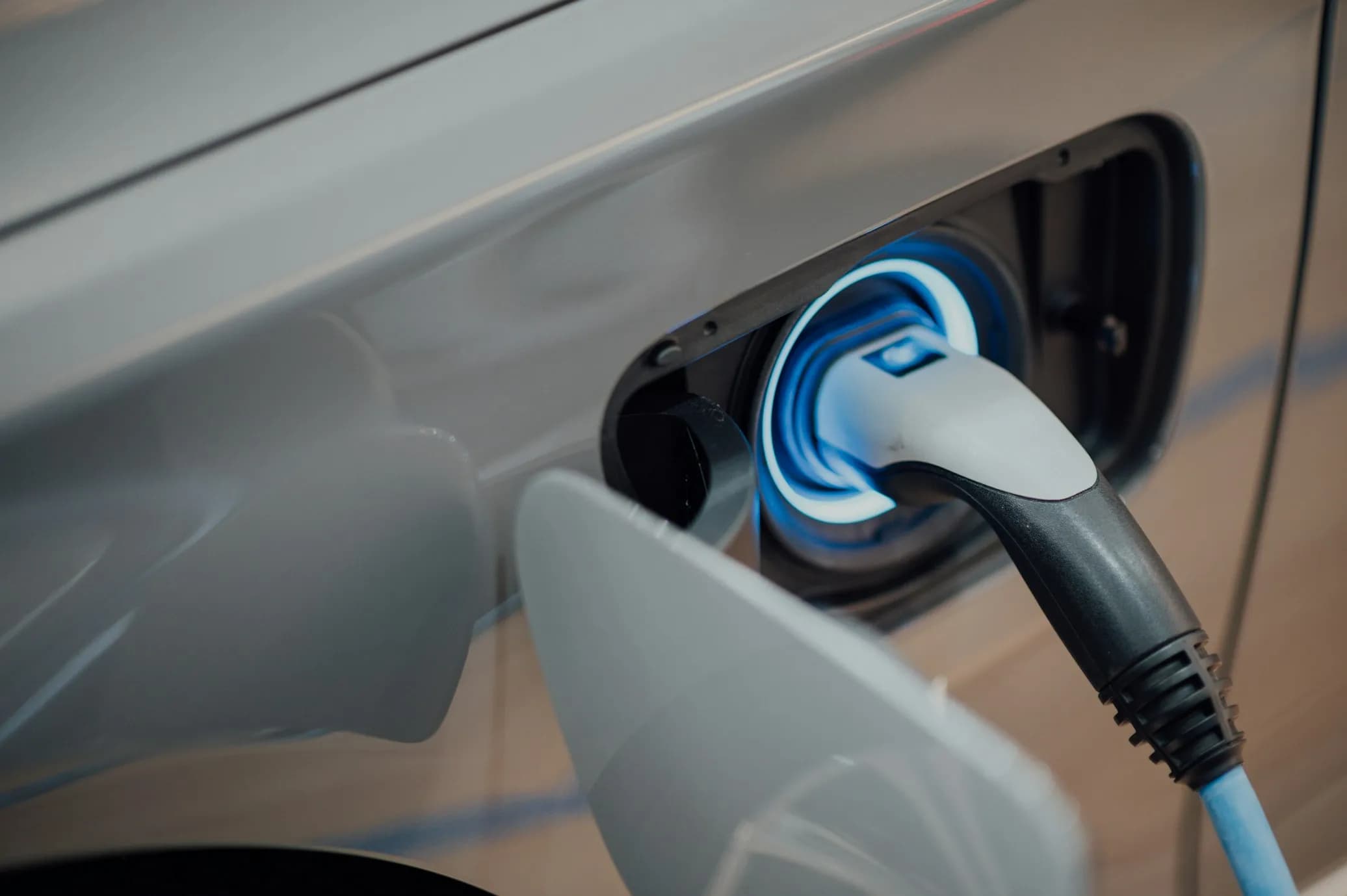
Charging is about heat management, not just watts. We analyze the evolution of cooling hardware designed specifically to handle 100W+ charging.
In 2020, 30W was considered "Fast Charging." By 2026, many smartphones have reached 120W, 150W, and even 240W. The limiting factor in this race has never been the charger itself, but the phone’s ability to dissipate the heat generated during the process.
The Joule Heating Problem
When you pass a high current through a battery, it generates heat (P = I²R).
- To double the charging speed, you must quadruple the heat management capacity if you don't change the architecture.
- Manufacturers have solved this by using Dual-Cell Batteries, effectively splitting the current between two smaller batteries to reduce resistance and heat.
Evolution of Thermal Hardware
By analyzing the internal teardowns of flagships over the last five years, we see a massive increase in cooling dedicated purely to charging:
- Phase 1 (2020-2022): Basic graphite sheets and small copper heat pipes. Average temperature during charge: 42°C.
- Phase 2 (2023-2024): Introduction of dual-layer vapor chambers and GaN (Gallium Nitride) charging controllers inside the phone.
- Phase 3 (2025-2026): Integration of Active Cooling (fans in the ROG/RedMagic) or Loop Liquid Cooling (Xiaomi) that targets the battery and charging ICs specifically.
Charging Temperature vs. Speed
Our data shows that while wattage has increased 8x (30W to 240W), internal battery temperatures have actually decreased or remained stable at roughly 38-40°C during peak charging.
| Year | Max Wattage | Cooling Method | Peak Battery Temp |
|---|---|---|---|
| 2020 | 30W | Graphite | 41°C |
| 2023 | 80W | Vapor Chamber | 39°C |
| 2026 | 120W | Loop Liquid | 38°C |
| 2026 | 240W | Active Fan | 37°C |
Why "Smart Charging" is Critical
The final 20% of a charge is the most dangerous for battery health. In 2026, AI-driven power management (like Samsung’s Adaptive Fast Charging or Xiaomi’s Surge P2 chip) monitors the internal temperature thousands of times per second, "throttling" the wattage as the battery fills up.
Summary
The fast charging race is actually a cooling race. A phone that charges at 120W with a Loop LiquidCool system is objectively safer for long-term battery health than a phone that charges at 40W with no dedicated thermal management.
TechChooser Team
TechChooser Editorial Team
Related Articles

Global vs Regional Specs: How Brands Downgrade Phones for Certain Markets
Not all "Pro" models are the same. We investigate how manufacturers change sensors, chipsets, and even charging speeds based on the country of sale.

How Carrier-Locked Phones Differ in Specs from Unlocked Versions
More than just a contract. We reveal the hidden hardware and software differences between the phone you buy from a carrier vs. the one you buy from the manufacturer.

Plastic vs Glass vs Titanium: The Shift in Smartphone Materials
From polycarbonate to aerospace-grade metal. We analyze the technical pros and cons of the three primary smartphone build materials in 2026.