
Shrinking Bezels: A Historical Data Timeline of Screen-to-Body Ratios
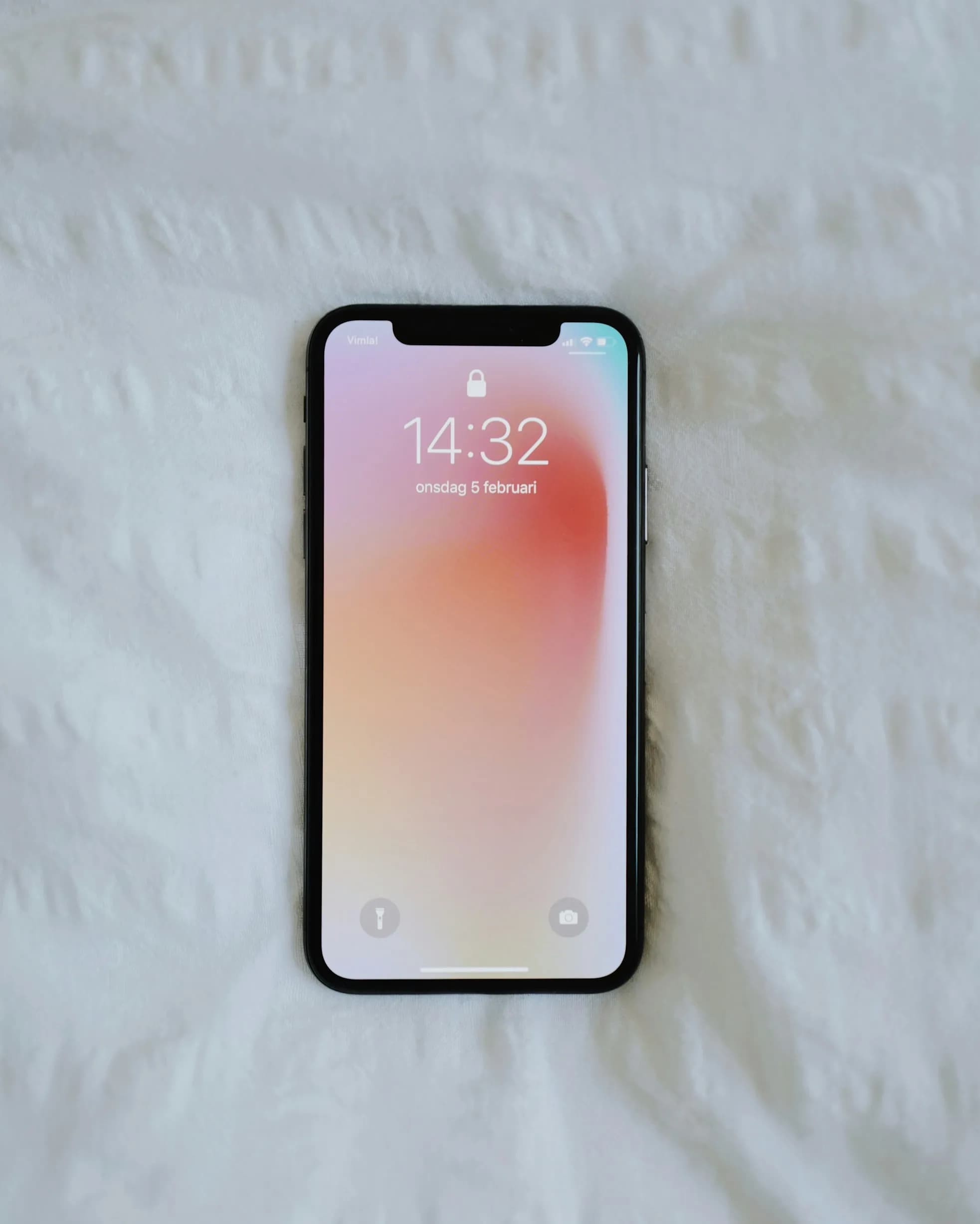
From the iPhone 1 to the edge-to-edge displays of 2026. We track the mathematical evolution of the front-facing display area.
The journey toward the "bezel-less" smartphone has been one of the most visible design trends in tech history. By analyzing over 100 iconic models from 2007 to 2026, we can see how engineering breakthroughs in display packaging have redefined the mobile aesthetic.
The Era of the "Chin and Forehead" (2007-2016)
In the first decade of smartphones, the screen-to-body ratio rarely exceeded 70%.
- iPhone 1 (2007): ~52% (Large bezels for the Home button and speaker).
- Samsung Galaxy S4 (2013): ~72% (Introduction of ultra-thin side bezels).
The "Notch and Punch-Hole" Era (2017-2023)
The introduction of the iPhone X and the Galaxy S8 marked a paradigm shift. By moving sensors into cutouts, ratios jumped into the 80s.
- iPhone X (2017): ~82.9%.
- Galaxy S10 (2019): ~88.3% (The punch-hole revolution).
The "Edge-to-Edge" Era (2024-2026)
In 2026, we are seeing the final stage of this evolution. The use of Under-Display Camera (UDC) technology and COP (Chip-on-Plastic) display drivers has pushed ratios past 90%.
- Nubia Z70 Ultra (2026): ~94.2% (The current industry leader).
- iPhone 17 Pro Max (2026): ~92.5% (Achieved by reducing the "Dynamic Island" to a micro-sensor).
Data Visualization: Average Ratio by Year
| Year Range | Typical Design | Average Ratio |
|---|---|---|
| 2007-2012 | Physical Buttons | 50-65% |
| 2013-2016 | Thinner Bezels | 65-75% |
| 2017-2022 | Notches / Holes | 80-88% |
| 2023-2026 | UDC / Symmetrical | 90-94% |
The Limits of Physics
Why aren't we at 100%?
- Structural Integrity: A phone with zero frame would be extremely fragile during drops.
- Palm Rejection: Without a small frame, "ghost touches" from your palm would make the phone unusable.
- Sensor Housing: Even with UDC, some sensors (like high-quality IR for FaceID) still require a physical footprint.
Summary
We have reached the "diminishing returns" phase of bezel reduction. The difference between 92% and 94% is nearly invisible to the human eye, and manufacturers are now prioritizing display quality (brightness and color) over further bezel shrinkage.
TechChooser Team
TechChooser Editorial Team
Related Articles

Global vs Regional Specs: How Brands Downgrade Phones for Certain Markets
Not all "Pro" models are the same. We investigate how manufacturers change sensors, chipsets, and even charging speeds based on the country of sale.

How Carrier-Locked Phones Differ in Specs from Unlocked Versions
More than just a contract. We reveal the hidden hardware and software differences between the phone you buy from a carrier vs. the one you buy from the manufacturer.

Plastic vs Glass vs Titanium: The Shift in Smartphone Materials
From polycarbonate to aerospace-grade metal. We analyze the technical pros and cons of the three primary smartphone build materials in 2026.