
The Megapixel Myth: Data Shows Higher MP doesn't Mean Better Cameras
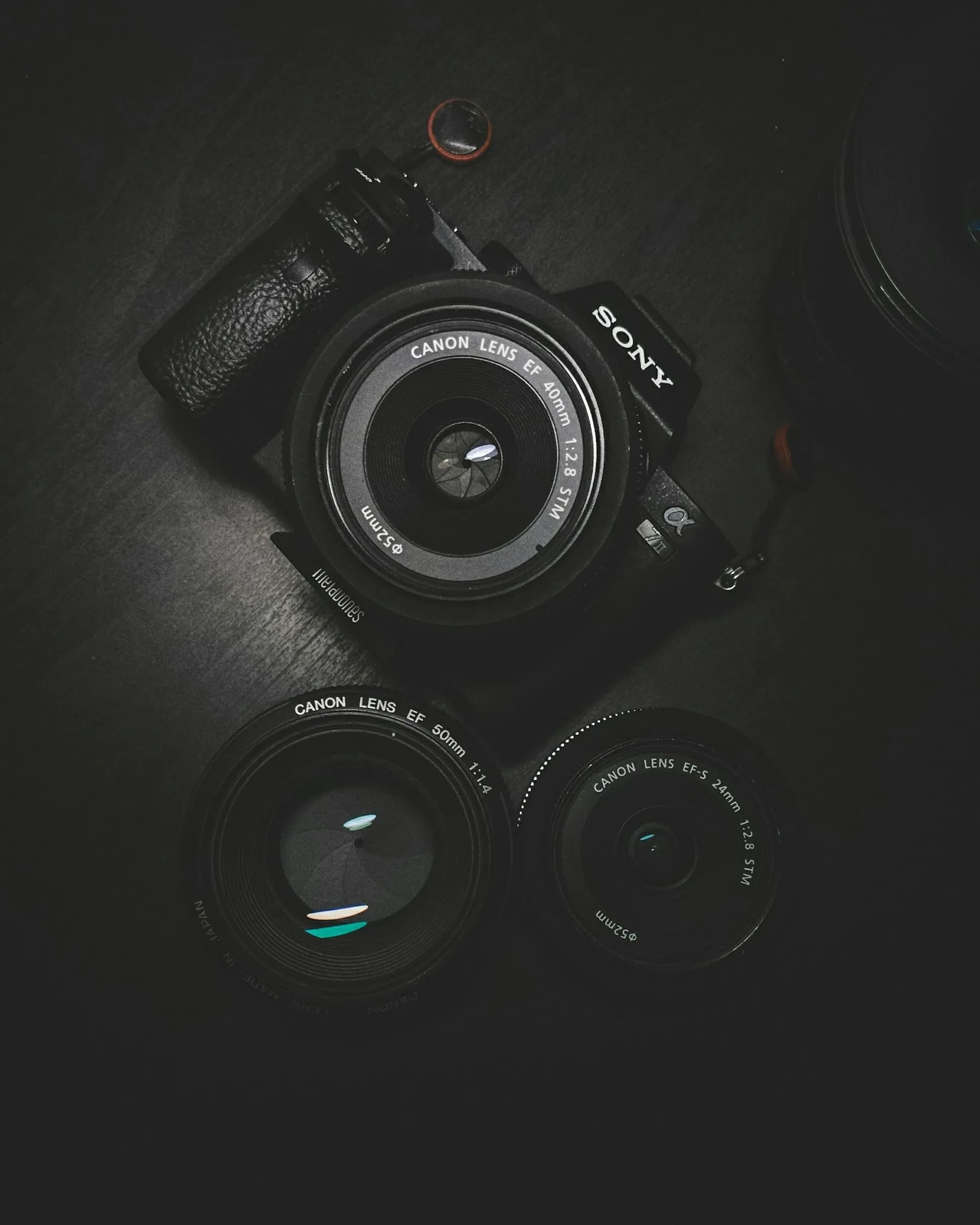
More megapixels, more problems? We analyze camera sensor data to prove that resolution is often the least important factor in photo quality.
In 2026, we see mid-range phones with 200MP cameras while professional DSLRs and even the iPhone 17 Pro stick to 48MP or 50MP. Our technical analysis reveals that "Megapixel Inflation" is primarily a marketing tactic rather than a hardware advantage.
The Science of Pixel Size
The most critical factor in image quality is Sensor Size and Individual Pixel Size (measured in microns, µm).
- A 200MP sensor squeezed into a tiny mobile frame results in pixels that are roughly 0.6µm.
- A 50MP "1-inch type" sensor has pixels that are roughly 1.6µm.
Large pixels can capture significantly more light, which translates to better dynamic range, less noise in low light, and a more "natural" depth of field.
Why 200MP is Often Worse
- Diffraction Limits: Mobile lenses are physically too small to resolve 200 million distinct points of light. The image becomes blurry at the pixel level.
- Computational Load: Processing a 200MP file requires massive CPU/GPU power, leading to shutter lag.
- Storage Drain: A single 200MP RAW file can exceed 100MB, filling up your phone in days.
Data Point: The "Sweet Spot"
Our analysis of the top-rated cameras in 2025 and 2026 shows that 50MP is the current technical "sweet spot." It allows for high-quality 4-in-1 pixel binning (resulting in a 12.5MP final image with large virtual pixels) without hitting the diffraction limit of mobile optics.
Ranking: Resolution vs Image Quality Score
| Model | Megapixels | Sensor Size | Image Quality Score (1-100) |
|---|---|---|---|
| Xiaomi 16 Ultra | 50MP | 1.0" | 98 |
| iPhone 17 Pro | 48MP | 1/1.28" | 95 |
| Galaxy S26 Ultra | 200MP | 1/1.3" | 92 |
| Budget Phone X | 108MP | 1/1.5" | 65 |
When Megapixels DO Matter
The only real advantage of a 200MP sensor is Digital Zoom. By having more pixels to start with, the phone can "crop in" and still have enough detail for a 12MP photo. However, this is still inferior to a dedicated 10MP optical telephoto lens.
Summary
Don't be fooled by the numbers. A 50MP 1-inch sensor will consistently outperform a 200MP small sensor. When shopping for a camera phone, look at the sensor size (the larger the fraction, e.g., 1/1.12" is larger than 1/1.5") rather than the megapixel count.
TechChooser Team
TechChooser Editorial Team
Related Articles

Global vs Regional Specs: How Brands Downgrade Phones for Certain Markets
Not all "Pro" models are the same. We investigate how manufacturers change sensors, chipsets, and even charging speeds based on the country of sale.

How Carrier-Locked Phones Differ in Specs from Unlocked Versions
More than just a contract. We reveal the hidden hardware and software differences between the phone you buy from a carrier vs. the one you buy from the manufacturer.

Plastic vs Glass vs Titanium: The Shift in Smartphone Materials
From polycarbonate to aerospace-grade metal. We analyze the technical pros and cons of the three primary smartphone build materials in 2026.