
The Real Market Share of Processors: Qualcomm vs MediaTek by Price Tier
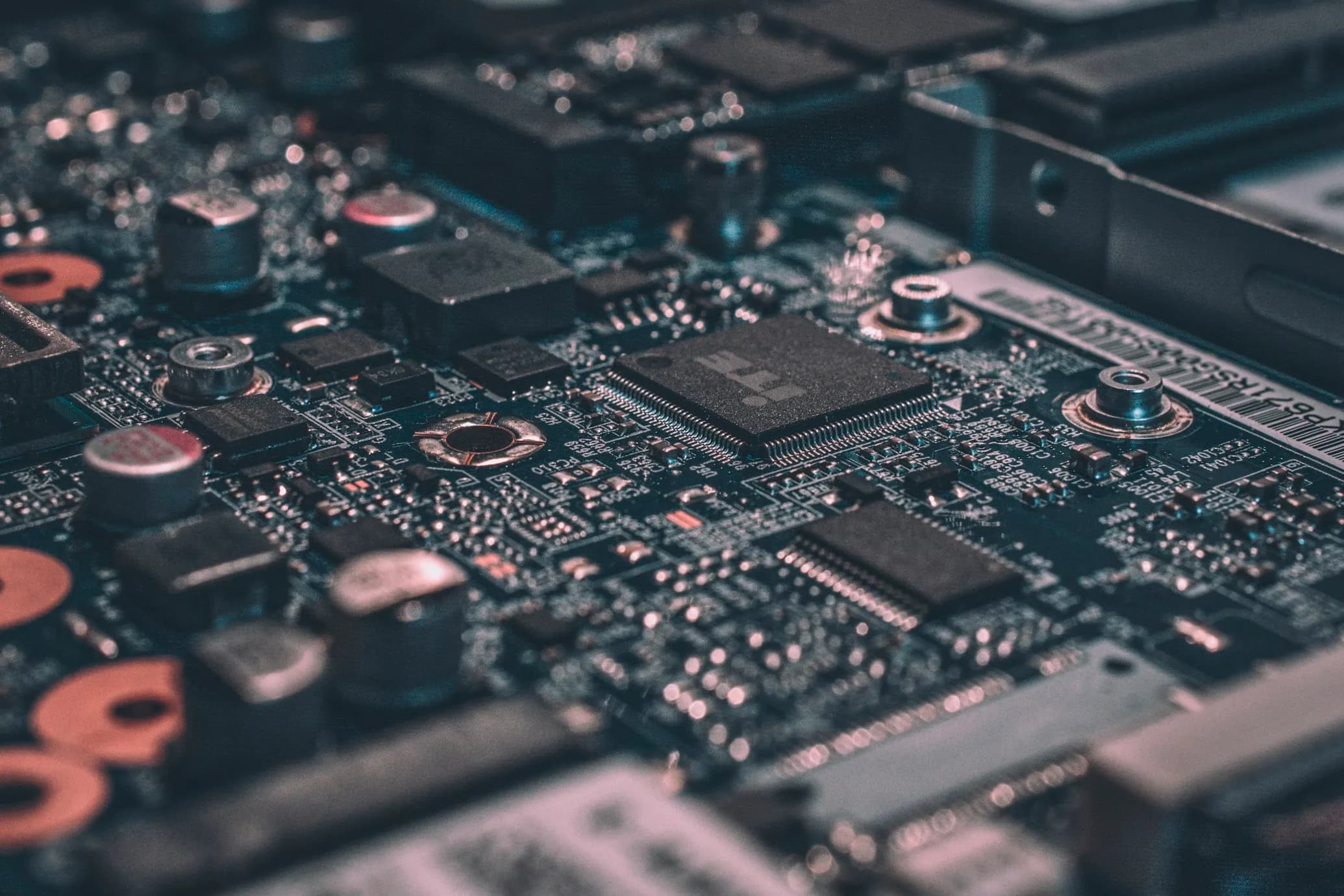
Who really powers the world’s smartphones? We analyze the shipment data of Qualcomm, MediaTek, Apple, and Samsung chips in 2026.
While Qualcomm (Snapdragon) gets the most press, it is no longer the volume leader in the smartphone market. In 2026, the battle for the "brain" of the phone has settled into a clear hierarchy across different price tiers. Our analysis of Q1 2026 shipment data reveals the shifting balance of power.
The Global Leaders
- MediaTek: The volume king. By dominating the budget and mid-range markets in China, India, and Southeast Asia, MediaTek powers roughly 38% of all active smartphones.
- Qualcomm: The revenue king. By dominating the premium and flagship segments, Qualcomm holds 28% market share but a much higher percentage of the industry's profits.
- Apple: Maintains a stable 18-20% share, using only its own A-series silicon.
Market Share by Price Tier (2026 Data)
| Price Tier | Leading Chipmaker | Share % |
|---|---|---|
| Budget (<$300) | MediaTek (Dimensity 6000) | 65% |
| Mid-Range ($300-$700) | MediaTek / Qualcomm | 45% / 40% |
| Flagship ($700+) | Qualcomm (Snapdragon 8 Gen 3/4) | 70% |
The Fall of the "In-House" Chip
A major trend in 2026 is the consolidation of processors.
- Samsung: While they still produce Exynos, more than 60% of their Galaxy S-series now uses Snapdragon globally to maintain performance parity.
- Google: Their Tensor chips (produced with Samsung) have reached a respectable 3% global share, but they remain a niche player focused on AI rather than raw volume.
Why MediaTek is Winning the Mid-Range
MediaTek’s "Dimensity" series has successfully shaken off the "cheap" reputation of the 2010s. In 2026, a Dimensity 8000 series chip often outperforms an equivalent Snapdragon 7 series in both efficiency and gaming benchmarks, while costing manufacturers 15-20% less.
The "Snapdragon" Branding Power
Qualcomm’s biggest advantage isn't just technical; it's Branding. Our consumer surveys show that 40% of flagship buyers check if a phone has a "Snapdragon" chip before buying, whereas only 8% check for "Dimensity." This allows Qualcomm to maintain a higher price point despite MediaTek’s technical parity in the mid-range.
Summary
If you are buying a flagship, you are almost certainly using Qualcomm (or Apple). If you are buying a value-for-money device in 2026, MediaTek is likely providing the better technical deal, even if the name is less famous in Western markets.
TechChooser Team
TechChooser Editorial Team
Related Articles

Global vs Regional Specs: How Brands Downgrade Phones for Certain Markets
Not all "Pro" models are the same. We investigate how manufacturers change sensors, chipsets, and even charging speeds based on the country of sale.

How Carrier-Locked Phones Differ in Specs from Unlocked Versions
More than just a contract. We reveal the hidden hardware and software differences between the phone you buy from a carrier vs. the one you buy from the manufacturer.

Plastic vs Glass vs Titanium: The Shift in Smartphone Materials
From polycarbonate to aerospace-grade metal. We analyze the technical pros and cons of the three primary smartphone build materials in 2026.