
The Hidden Cost of Proprietary Chargers: A Financial Breakdown
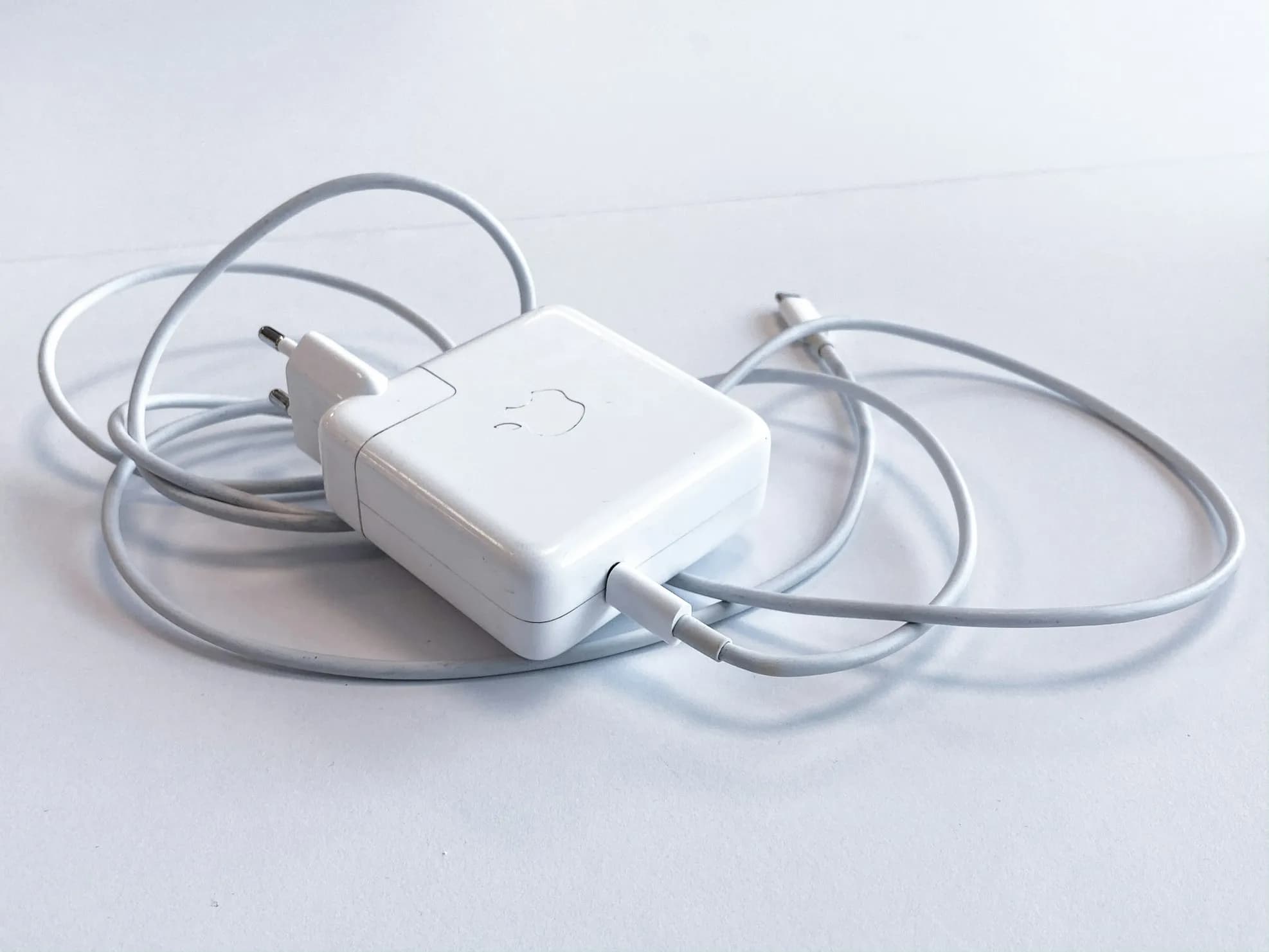
Charging is universal, except when it’s not. We analyze the financial impact of brands like Xiaomi and OnePlus using non-standard charging protocols.
While the world has moved to USB-C, "Fast Charging" is still a fragmented mess. In 2026, many Android brands use proprietary protocols (SuperVOOC, HyperCharge) that only work with their specific cables and bricks. Our study reveals the hidden cost to consumers who find themselves trapped in a brand’s charging ecosystem.
The USB-PD Standard vs. The Giants
USB-C Power Delivery (PD) is the global standard. Any PD charger can theoretically charge any phone.
- Apple/Google/Samsung: Support standard USB-PD. You can use a MacBook charger for a Pixel, or a Samsung charger for an iPhone.
- Xiaomi/OnePlus/Realme: While they use USB-C, their 100W+ speeds only work with their own proprietary hardware. If you use a standard PD charger, these phones often drop to a sluggish 18W or 27W.
The Replacement Cost Tax
Our data shows that a proprietary 120W charger costs an average of $65, whereas a high-quality 100W PD charger (which can charge laptops and phones) costs $35.
- By using proprietary tech, brands create a recurring revenue stream. If you lose your charger or want a second one for the office, you are forced to buy their high-margin accessory.
The E-Waste Impact
Because proprietary chargers are less versatile, they are more likely to end up in a landfill. A standard PD charger can be reused for your next three phones, regardless of brand. A SuperVOOC charger is useless if you switch from OnePlus to Samsung.
Comparison: Fast Charging Compatibility
| Brand | Max Speed (Proprietary) | Max Speed (Standard PD) | Charger Price |
|---|---|---|---|
| Samsung | 45W | 45W | $35 |
| 30W | 30W | $30 | |
| Xiaomi | 120W | 27W | $65 |
| OnePlus | 100W | 18W | $55 |
The Solution: PPS (Programmable Power Supply)
PPS is an extension of USB-PD that allows for high-wattage charging without proprietary chips. We recommend users prioritize brands that support PD 3.1 with PPS, as it offers the best balance of speed and universal compatibility.
Summary
Proprietary charging is a "walled garden" for your battery. While it offers extreme speeds, the financial and environmental costs are significant. If you value flexibility and long-term savings, Samsung and Google offer the most honest charging ecosystems in 2026.
TechChooser Team
TechChooser Editorial Team
Related Articles

Global vs Regional Specs: How Brands Downgrade Phones for Certain Markets
Not all "Pro" models are the same. We investigate how manufacturers change sensors, chipsets, and even charging speeds based on the country of sale.

How Carrier-Locked Phones Differ in Specs from Unlocked Versions
More than just a contract. We reveal the hidden hardware and software differences between the phone you buy from a carrier vs. the one you buy from the manufacturer.

Plastic vs Glass vs Titanium: The Shift in Smartphone Materials
From polycarbonate to aerospace-grade metal. We analyze the technical pros and cons of the three primary smartphone build materials in 2026.