
How Much RAM is "Bloatware"? Comparing Stock Android vs Custom UI Needs
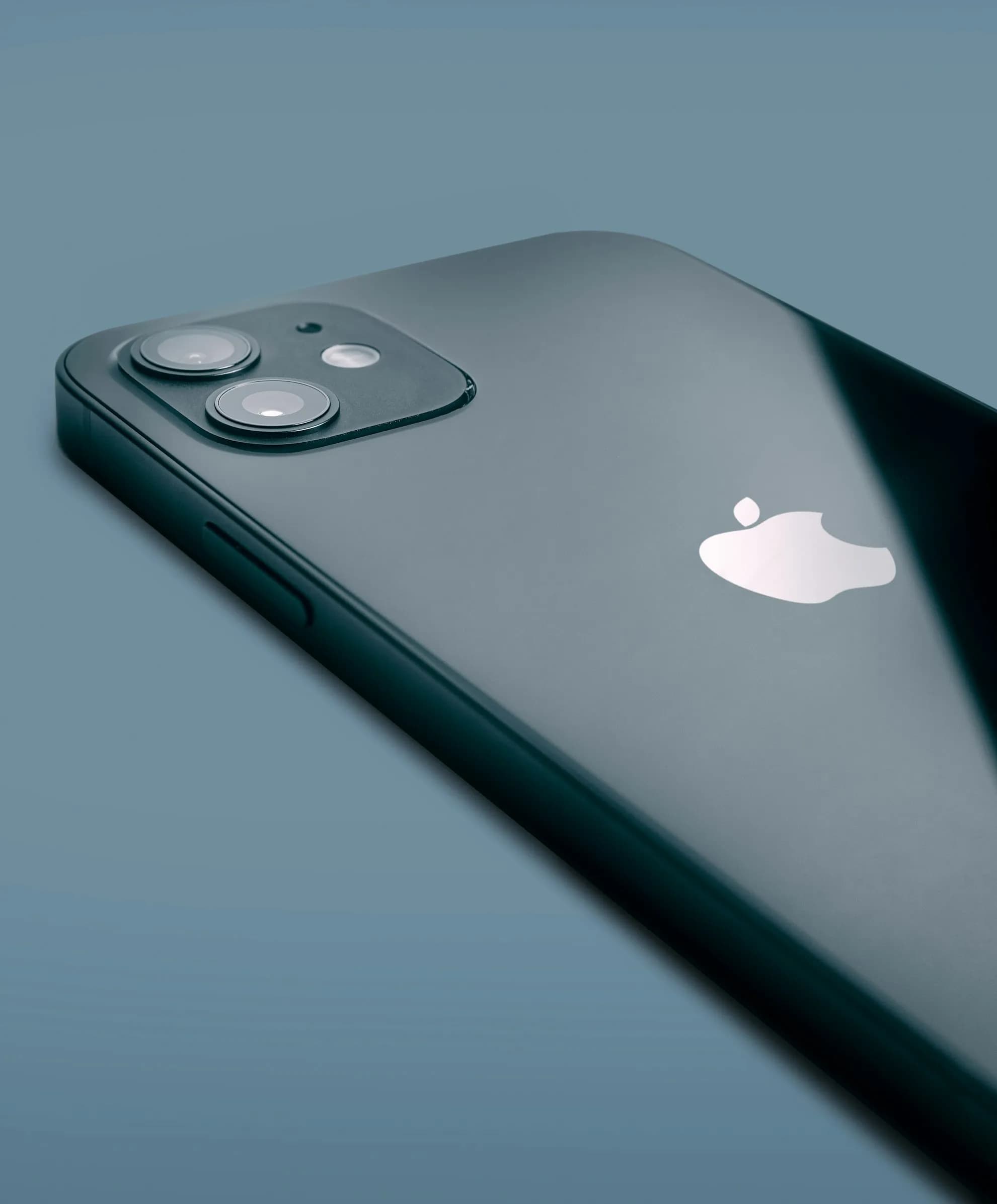
Not all RAM is equal. We measure the "OS Tax" of popular Android skins to see how much memory is consumed by background services vs. your apps.
When you buy a phone with 8GB of RAM, you don't actually get 8GB for your apps. A significant portion is reserved for the operating system and background services. Our technical audit of Android 16 devices reveals that the "OS Tax" varies wildly between manufacturers.
The "Cold Boot" RAM Test
We measured the available RAM on fresh devices (out-of-the-box, no third-party apps) after 5 minutes of idle time.
1. Stock Android (Google Pixel 10)
- Total RAM: 12GB
- OS Reservation: 2.8GB
- Available for Apps: 9.2GB
- Analysis: Google’s OS is highly efficient. It reserves just enough for the core services and AI features (Gemini Nano).
2. Samsung One UI 8.0
- Total RAM: 12GB
- OS Reservation: 4.4GB
- Available for Apps: 7.6GB
- Analysis: The "Samsung Tax" is real. One UI runs dozens of background services for the Samsung Store, Knox Security, Bixby, and various synchronization tools. You lose nearly 40% more RAM to the OS compared to a Pixel.
3. Xiaomi HyperOS
- Total RAM: 12GB
- OS Reservation: 4.1GB
- Available for Apps: 7.9GB
- Analysis: Xiaomi has improved its efficiency, but its aggressive background management still requires a large footprint to keep its heavy visual animations fluid.
What is "Bloatware" RAM?
"Bloatware" isn't just the pre-installed Facebook app (which can be disabled). it's the Background Service Load:
- Redundant Stores: Having both the Play Store and a Brand Store (Samsung/Xiaomi) running update checks.
- Data Analytics: Telemetry services that send usage data back to the manufacturer.
- Legacy Components: Supporting features that 90% of users don't use but remain active in the system.
Comparative Table: The "OS Tax"
| Brand / UI | Base RAM | System Reservation | % of RAM "Lost" |
|---|---|---|---|
| Pixel (Stock) | 12GB | 2.8GB | 23% |
| Nothing OS | 12GB | 3.1GB | 26% |
| Motorola MyUX | 8GB | 2.4GB | 30% |
| Samsung OneUI | 12GB | 4.4GB | 36% |
Summary
The data proves that RAM capacity is only half the story. An 8GB Motorola phone often has more "available" memory for your apps than a 12GB budget phone with a heavy, unoptimized custom skin. For the best multitasking, prioritize clean software over raw numbers.
TechChooser Team
TechChooser Editorial Team
Related Articles

Global vs Regional Specs: How Brands Downgrade Phones for Certain Markets
Not all "Pro" models are the same. We investigate how manufacturers change sensors, chipsets, and even charging speeds based on the country of sale.

How Carrier-Locked Phones Differ in Specs from Unlocked Versions
More than just a contract. We reveal the hidden hardware and software differences between the phone you buy from a carrier vs. the one you buy from the manufacturer.

Plastic vs Glass vs Titanium: The Shift in Smartphone Materials
From polycarbonate to aerospace-grade metal. We analyze the technical pros and cons of the three primary smartphone build materials in 2026.