
Screen Resolution Trends: Why 1440p is Disappearing from Mid-Range Phones
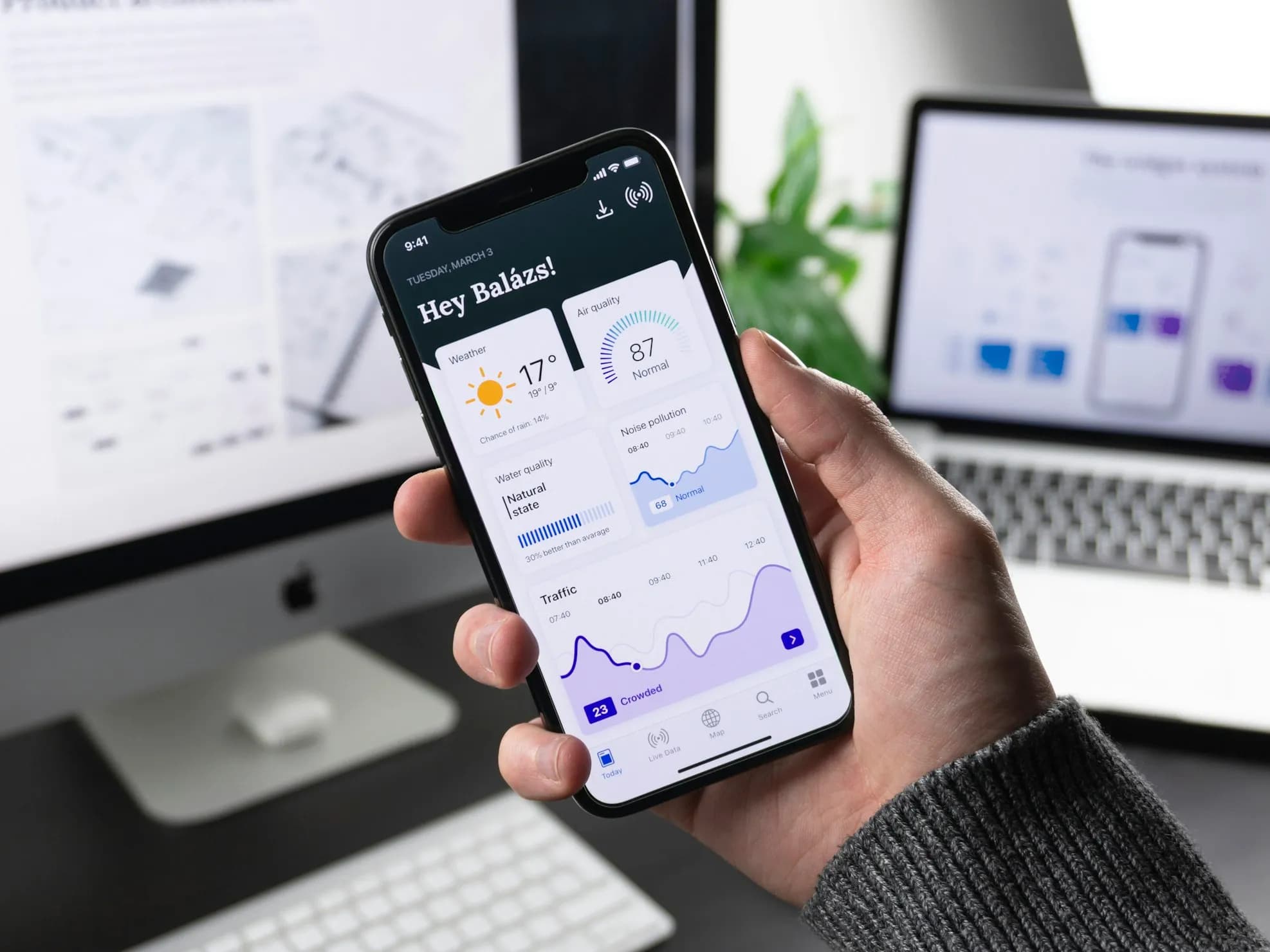
A regression in specs? We investigate why manufacturers are returning to 1080p (FHD+) displays in phones where 1440p was once common.
In 2015, phones like the Galaxy S6 and LG G4 made 1440p (QHD) the standard for high-end and mid-range devices. In 2026, we see a surprising reversal: even $700 "premium" phones are launching with 1080p+ (FHD) displays. Our data analysis explores the technical and economic reasons for this "Resolution Regression."
The PPI (Pixels Per Inch) Argument
For a typical 6.1 to 6.7-inch smartphone, the difference between 1080p and 1440p is nearly invisible to the human eye at a normal viewing distance.
- 1080p at 6.7": ~390 PPI (Sharp)
- 1440p at 6.7": ~520 PPI (Indistinguishable for most)
Manufacturers have realized that most users can't tell the difference, but they can feel the impact on battery life and performance.
1. The "Battery Tax" of 1440p
Driving 70% more pixels requires significantly more power from the GPU and the display controller. In our tests, a 1440p screen consumes roughly 12-15% more battery than a 1080p screen of the same brightness and refresh rate.
2. The "LTPO" Priority
In 2026, manufacturers are prioritizing Refresh Rate (120Hz) and Efficiency (LTPO) over raw resolution. It is much more expensive to produce a 1440p LTPO panel than a 1080p LTPO panel. Most brands have decided that "Smooth and Efficient" is a better selling point than "Ultra-Sharp."
The New "1.5K" Middle Ground
A new trend in 2026 is the "1.5K" display (roughly 1220p). It offers the best of both worlds: higher sharpness than 1080p without the massive power drain of 1440p. This has become the standard for "Flagship Killers" like the Poco F-series and OnePlus R-series.
Historical Resolution Adoption (Mid-Range)
| Year | 720p (HD) | 1080p (FHD) | 1440p (QHD) | 1.5K |
|---|---|---|---|---|
| 2016 | 15% | 60% | 25% | 0% |
| 2021 | 2% | 90% | 8% | 0% |
| 2026 | 0% | 65% | 5% | 30% |
Summary
1440p is not dead, but it has been relegated to the "Ultra" tier (Galaxy S26 Ultra, Xiaomi 16 Ultra) as a luxury spec. For the rest of the market, 1080p and 1.5K have won because they provide the best balance of visual clarity and battery longevity.
TechChooser Team
TechChooser Editorial Team
Related Articles

Global vs Regional Specs: How Brands Downgrade Phones for Certain Markets
Not all "Pro" models are the same. We investigate how manufacturers change sensors, chipsets, and even charging speeds based on the country of sale.

How Carrier-Locked Phones Differ in Specs from Unlocked Versions
More than just a contract. We reveal the hidden hardware and software differences between the phone you buy from a carrier vs. the one you buy from the manufacturer.

Plastic vs Glass vs Titanium: The Shift in Smartphone Materials
From polycarbonate to aerospace-grade metal. We analyze the technical pros and cons of the three primary smartphone build materials in 2026.