
The Stagnation of Front Cameras: Why Selfie Specs Stopped Evolving
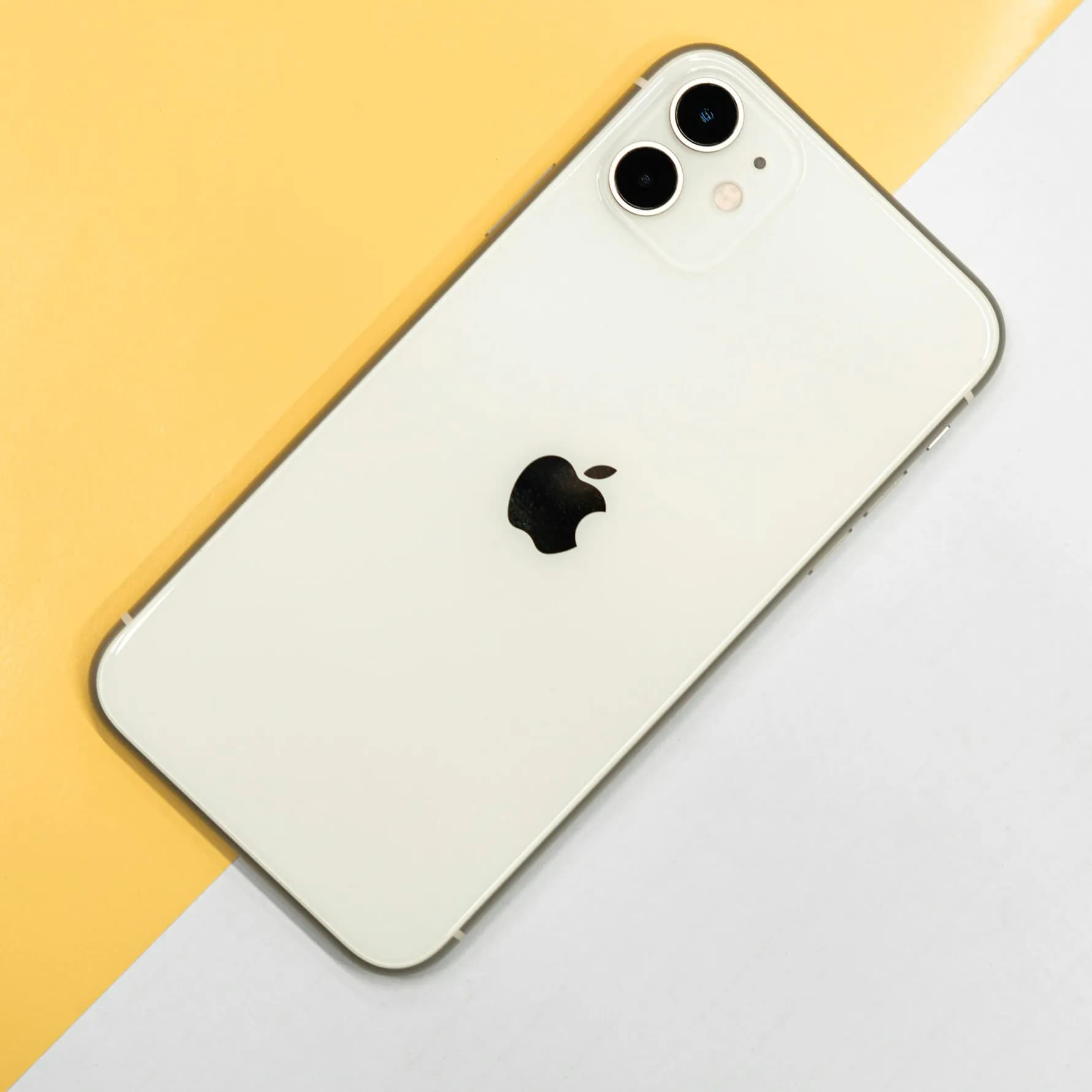
While rear cameras have exploded in quality, front cameras have hit a technical plateau. We analyze the hardware limits of the "selfie" sensor.
If you compare a rear camera from 2020 to one from 2026, the difference is night and day. But if you look at the selfie camera, the specs have barely moved. Most flagships still use 10MP to 12MP sensors, often the same ones they used four years ago. Our data analysis explores why the front camera is the most "stagnant" component in mobile tech.
The "Bezel War" vs. The Camera
The primary enemy of the front camera is the Screen-to-Body Ratio.
- To make bezels thinner, manufacturers must make the front camera physically smaller.
- A smaller camera means a smaller sensor.
- A smaller sensor means poor low-light performance and limited dynamic range.
Manufacturers have sacrificed selfie quality to achieve the "bezel-less" look.
The Megapixel Illusion
Some budget brands use 32MP or 40MP front cameras, but these are often lower quality than the 12MP sensors in an iPhone or Galaxy. These high-MP sensors use very tiny pixels (0.6µm) that struggle in anything but perfect daylight.
The Under-Display Camera (UDC) Problem
The ultimate goal is to hide the camera under the screen (e.g., Galaxy Z Fold series). However, UDC technology significantly degrades image quality because the light must pass through the display pixels before hitting the sensor.
- Result: UDC photos often look "foggy" or "bloomed."
- Data: 95% of mainstream flagships still prefer a "punch-hole" because the quality drop-off of UDC is still too high for 2026 standards.
Data Table: 5 Years of Selfie Specs (Flagship Average)
| Year | Avg. Resolution | Auto-Focus Adoption | 4K60 Support | Sensor Size (Avg) |
|---|---|---|---|---|
| 2021 | 12 MP | 40% | 50% | 1/3.2" |
| 2024 | 12 MP | 65% | 85% | 1/3.0" |
| 2026 | 12 MP | 80% | 100% | 1/3.0" |
The Software-Only Evolution
Since the hardware can't grow (without a notch), manufacturers are relying entirely on AI and Computational Photography.
- Portrait Mode: Virtual bokeh is now near-perfect.
- Night Sight: Multi-frame exposure makes low-light selfies usable.
- Skin Tone Mapping: Google’s "Real Tone" has set the standard for inclusive color accuracy.
Summary
We have reached the physical limit of the front camera. Until transparent display technology improves to allow for large sensors under the screen, your selfie camera hardware in 2026 will look remarkably similar to the one you had in 2022.
TechChooser Team
TechChooser Editorial Team
Related Articles

Global vs Regional Specs: How Brands Downgrade Phones for Certain Markets
Not all "Pro" models are the same. We investigate how manufacturers change sensors, chipsets, and even charging speeds based on the country of sale.

How Carrier-Locked Phones Differ in Specs from Unlocked Versions
More than just a contract. We reveal the hidden hardware and software differences between the phone you buy from a carrier vs. the one you buy from the manufacturer.

Plastic vs Glass vs Titanium: The Shift in Smartphone Materials
From polycarbonate to aerospace-grade metal. We analyze the technical pros and cons of the three primary smartphone build materials in 2026.