
How Smartphone Color Options Have Become Less Saturated Over Time
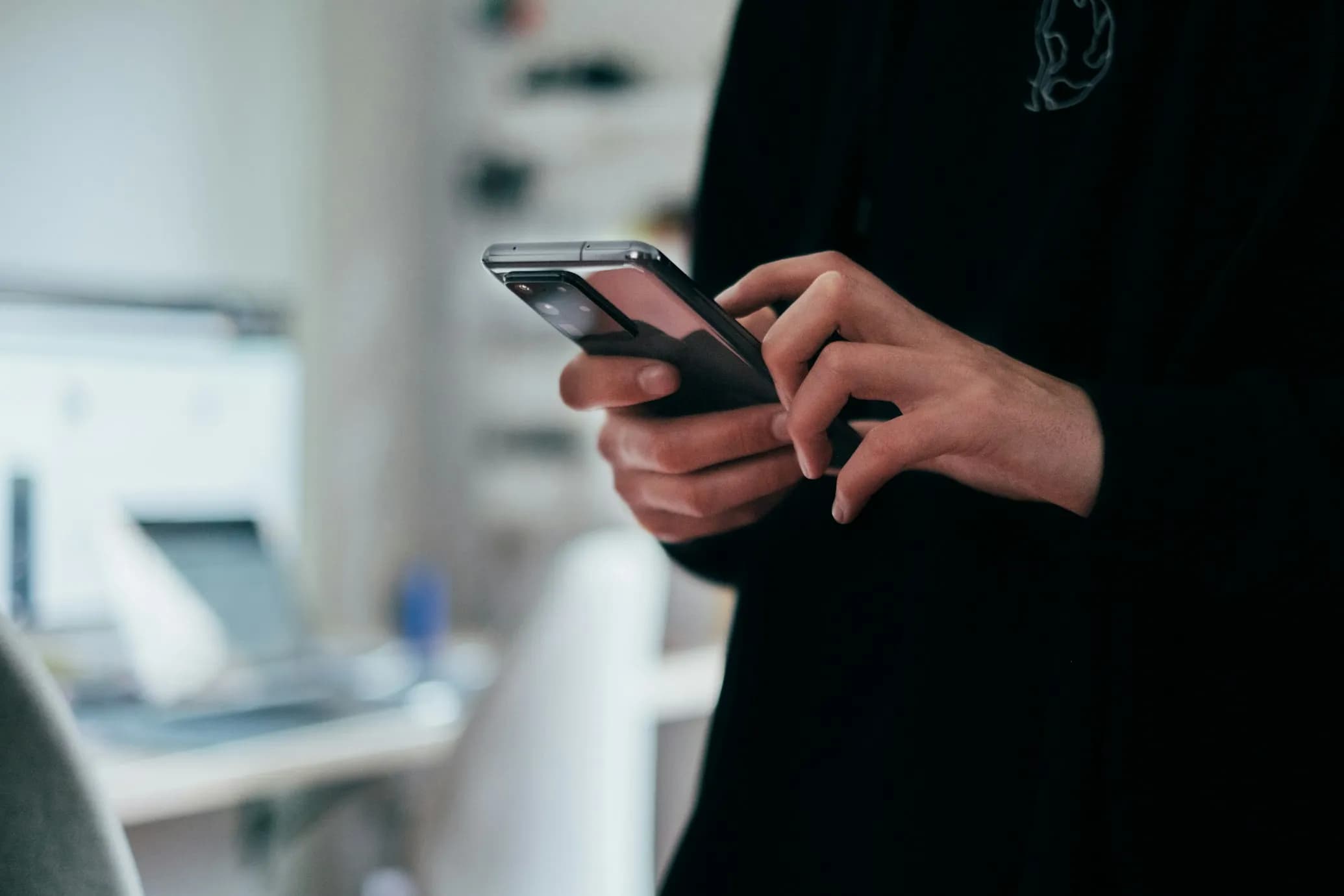
From the vibrant Lumias to the "Titanium Gray" era. We track the shift in smartphone color palettes and why premium now means muted.
In the early 2010s, smartphones were colorful. The Nokia Lumia series was famous for its cyan and bright yellow, and even the iPhone 5c embraced a "unapologetically plastic" neon palette. By 2026, the industry has shifted almost entirely toward "Muted Premium"—a palette of grays, dark blues, and "Natural" metal finishes.
The Psychology of "Premium"
Our data shows a direct correlation between price and color saturation.
- Budget Phones: Tend to have higher saturation (vibrant blues, greens, and gradients).
- Flagships: Tend to have lower saturation (desaturated tones, matte finishes).
The industry has successfully convinced consumers that "colorless" materials like Titanium and Frosted Glass are more sophisticated.
Historical Palette Analysis (Top 10 Selling Models)
- 2013-2015: 45% of models offered a "vibrant" color (Red, Blue, Yellow).
- 2020-2022: 20% of models offered a "vibrant" color.
- 2026: <5% of flagships offer a color with over 50% saturation.
The Material Shift
The move from plastic to glass and then to titanium has physically limited the color options.
- Anodized Titanium: Difficult to achieve bright, consistent colors. It naturally leans toward earthy, metallic tones.
- Matte Glass: Scatters light, which naturally "desaturates" the underlying color.
The "Safe" Strategy
Manufacturers are increasingly risk-averse. A bright red phone may be loved by 5% of users but rejected by 95%. A "Midnight" or "Titanium Gray" phone is acceptable to 100% of the market. To minimize inventory risk, brands have converged on the same 4 or 5 colors.
| Brand | Primary Color Palette (2026) | Vibe |
|---|---|---|
| Apple | Natural, Black, White, Soft Blue | Industrial / Calm |
| Samsung | Gray, Black, Cream, Violet | Professional |
| Porcelain, Hazel, Obsidian, Mint | Organic / Soft |
The Return of the "Limited Edition"
To satisfy users who want color, brands are now using the "Mid-cycle Refresh" strategy. Six months after launch, they will release a single vibrant color (like Apple’s "Yellow" or Samsung’s "Red") to boost sales and social media visibility.
Summary
Smartphone design in 2026 is at its most conservative. While build quality is at an all-time high, visual variety is at an all-time low. If you want a phone that stands out, you are increasingly forced to look at budget models or use a colorful case.
TechChooser Team
TechChooser Editorial Team
Related Articles

Global vs Regional Specs: How Brands Downgrade Phones for Certain Markets
Not all "Pro" models are the same. We investigate how manufacturers change sensors, chipsets, and even charging speeds based on the country of sale.

How Carrier-Locked Phones Differ in Specs from Unlocked Versions
More than just a contract. We reveal the hidden hardware and software differences between the phone you buy from a carrier vs. the one you buy from the manufacturer.
Plastic vs Glass vs Titanium: The Shift in Smartphone Materials
From polycarbonate to aerospace-grade metal. We analyze the technical pros and cons of the three primary smartphone build materials in 2026.