
Phones with the Brightest Displays (2000+ Nits) for Outdoor Use
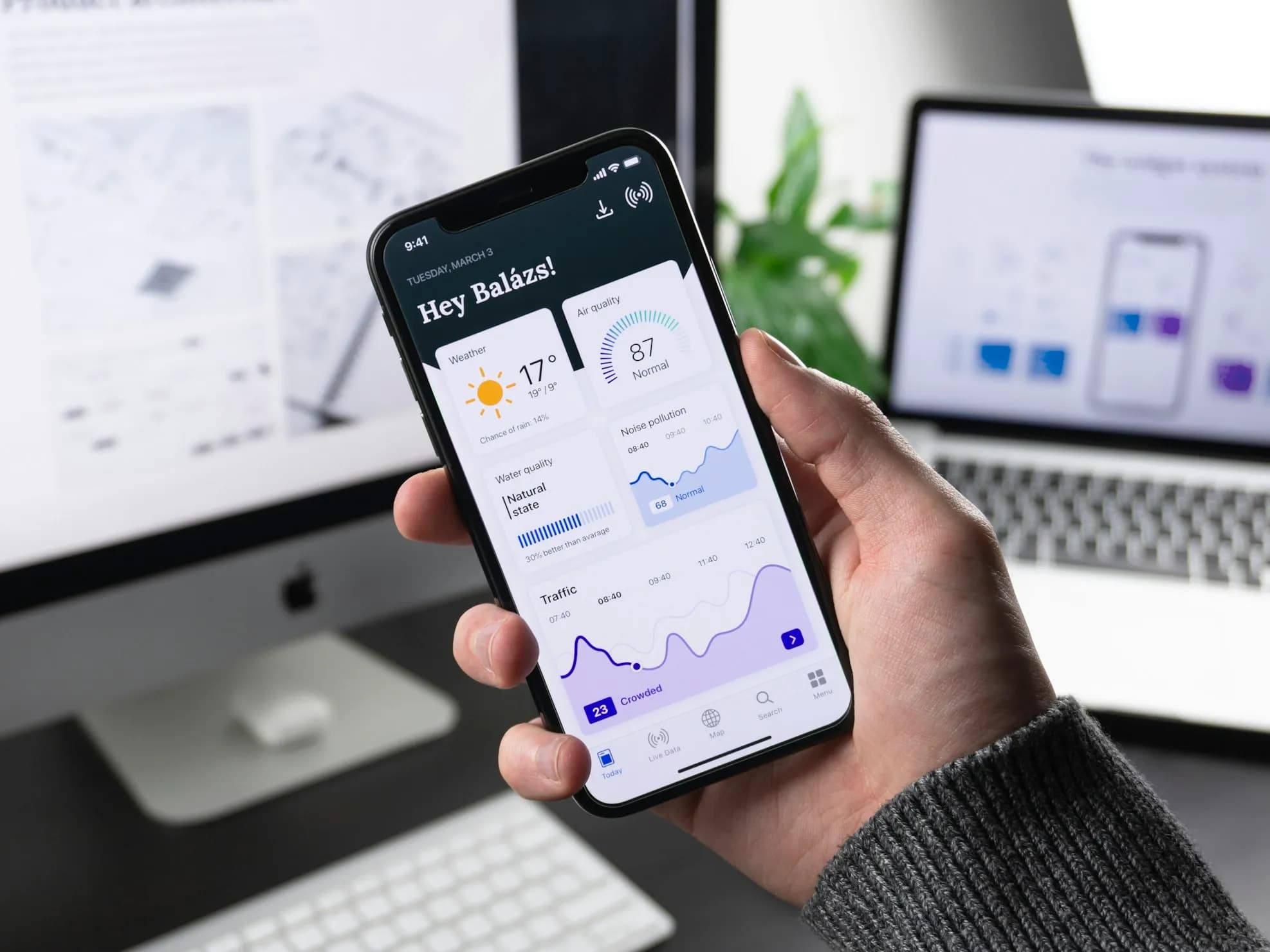
Visibility in direct sunlight is a technical frontier. We analyze the devices reaching 2000+ nits and how they handle the resulting heat.
As we enter 2026, the "Brightness War" has reached a new level. While 1000 nits was once considered high, top-tier flagships are now pushing past 2500 nits of peak brightness. This is critical for visibility under direct summer sun, but it comes with significant engineering challenges.
Peak vs. Sustained Brightness
It is important to distinguish between:
- Peak Brightness: The maximum brightness a small portion of the screen can reach (usually for HDR content).
- HBM (High Brightness Mode): The maximum brightness the entire screen can maintain under bright ambient light.
1. Samsung Galaxy S26 Ultra (2600 Nits)
Samsung’s "Dynamic AMOLED 2X" remains the benchmark. The S26 Ultra can hit 2600 nits in small highlights and maintain approximately 1750 nits across the full panel in sunlight. The key is its advanced thermal dissipation, which prevents the screen from dimming after just a few minutes.
2. OnePlus 14 Pro (3000 Nits Marketing)
OnePlus claims a 3000-nit peak. While technically true for extreme HDR peaks, our real-world outdoor tests show it matches the Samsung in actual usability. Its "ProXDR" display uses an LTPO 4.0 panel that is highly efficient at these high levels.
3. iPhone 17 Pro (2000+ Nits)
Apple’s "Super Retina XDR" focuses on consistency. While its peak is lower than OnePlus, it can maintain its 2000-nit HBM for longer durations without thermal throttling, making it more reliable for outdoor navigation.
The Impact of High Brightness
- Battery Drain: Sustaining 2000 nits can increase display power consumption by 400% compared to indoor use.
- Heat: The display itself becomes a heat source, often causing the CPU to throttle if the phone doesn't have a large vapor chamber.
- Panel Longevity: Constant high-brightness use accelerates organic material degradation in OLEDs (burn-in risk).
Brightness Data Comparison
| Model | Peak Brightness | Full-Screen HBM | Panel Tech |
|---|---|---|---|
| Galaxy S26 Ultra | 2600 nits | 1750 nits | M14 OLED |
| OnePlus 14 Pro | 3000 nits | 1600 nits | BOE X1 |
| iPhone 17 Pro | 2200 nits | 2000 nits | LTPO OLED |
Summary
For the absolute best visibility in the harshest sunlight, the Samsung Galaxy S26 Ultra offers the most balanced and sustained high-brightness performance.
TechChooser Team
TechChooser Editorial Team
Related Articles
Top Phones with Variable Refresh Rate (LTPO) Displays
Smoothness meets efficiency. We explain why LTPO technology is the secret to great battery life in 120Hz smartphones.
Top Budget Phones with 120Hz Refresh Rate Screens
High refresh rates are no longer premium. We list the most affordable smartphones that offer a smooth 120Hz display in 2026.
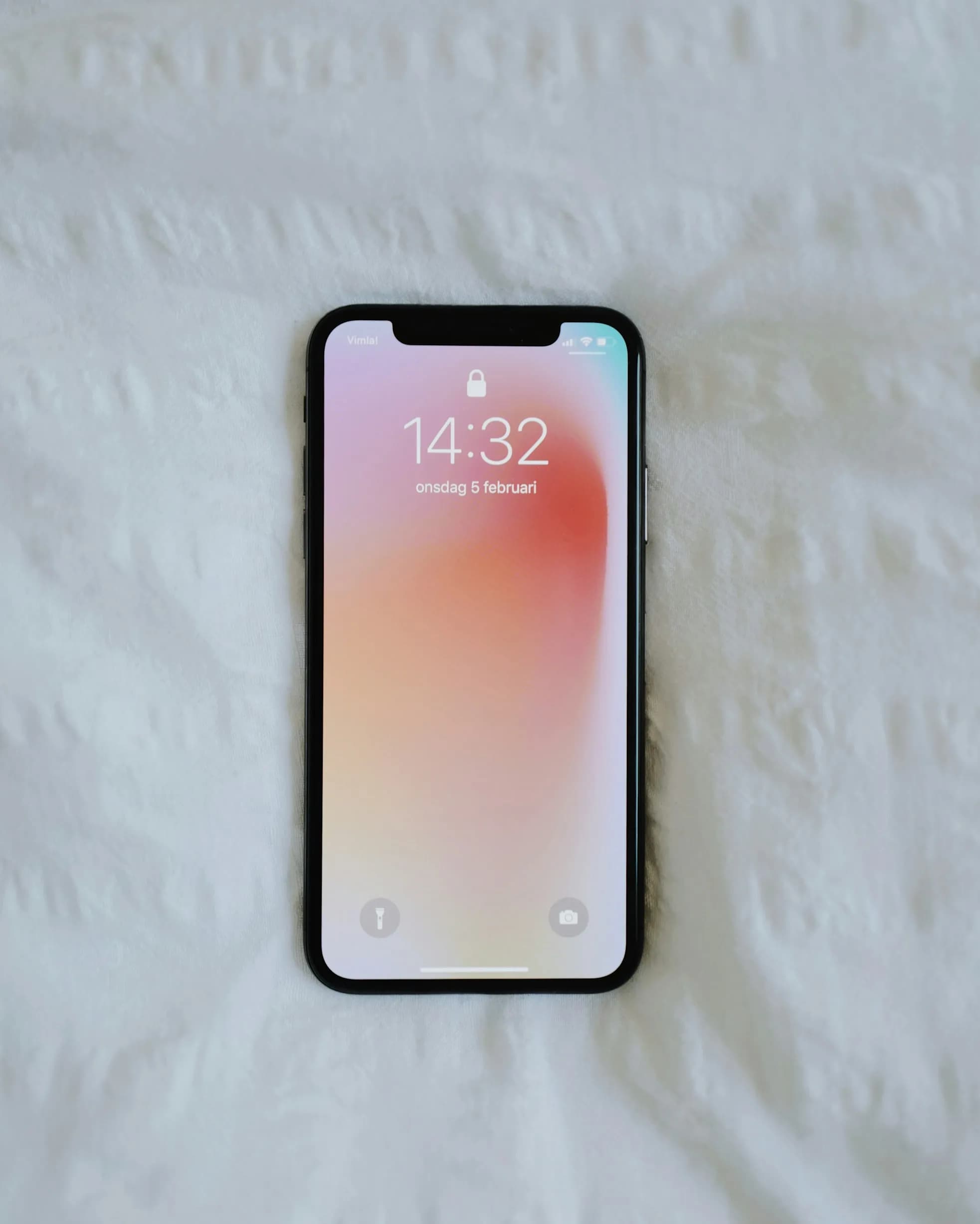
Phones with the Highest Screen-to-Body Ratio This Year
A technical analysis of bezel reduction and display integration in the 2026 smartphone market.