
Phones with the Highest Screen-to-Body Ratio This Year
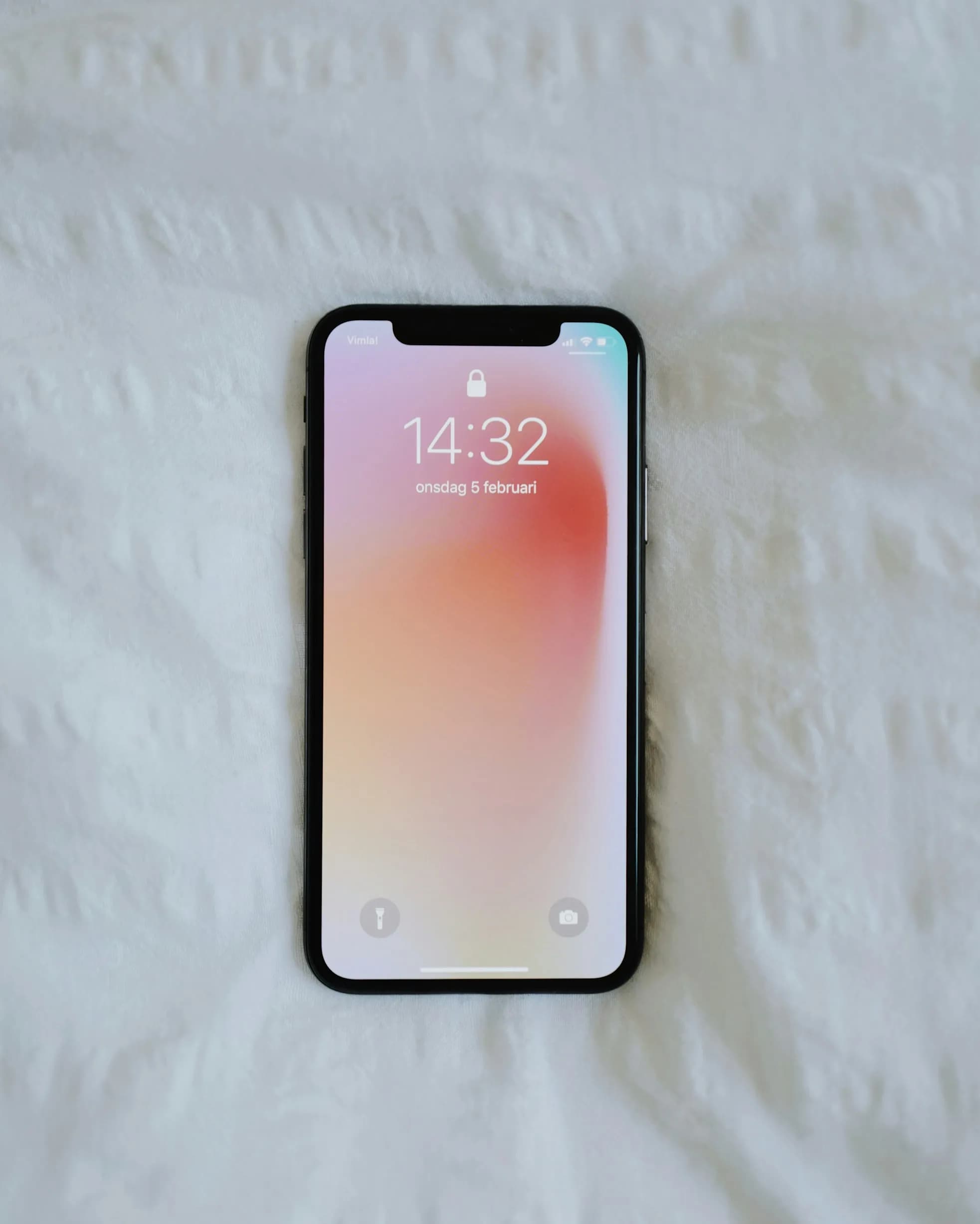
A technical analysis of bezel reduction and display integration in the 2026 smartphone market.
The pursuit of the "all-screen" front has reached a plateau in 2026, with manufacturers focusing on sub-millimeter bezel reduction and under-display camera (UDC) technology.
Calculating the Ratio: Marketing vs Reality
Manufacturers often use the "AA-to-CG" (Active Area to Cover Glass) measurement, which results in higher percentages. Our data uses the total frontal area, providing a more accurate reflection of the hardware.
1. Nubia Z70 Ultra (94.2%)
The Z70 Ultra leads the market thanks to its 5th generation Under-Display Camera. By removing the punch-hole entirely and using ultra-thin symmetric bezels, it achieves a nearly edge-to-edge look.
2. Xiaomi 16 Pro (93.5%)
Xiaomi's "Liquid Display" curves slightly on all four edges, minimizing the visible frame. The use of a micro-punch hole (1.8mm) allows it to maintain a high ratio without the clarity trade-offs of current UDC tech.
3. Samsung Galaxy S26 Ultra (91.8%)
Samsung has opted for a completely flat display this year. While this slightly increases the visible side bezels compared to curved panels, the reduction in top and bottom "chins" keeps the ratio among the highest in the flagship segment.
Engineering Challenges
Reducing the bottom bezel (the "chin") requires advanced COP (Chip-on-Plastic) packaging, where the display driver is folded behind the panel. This increases manufacturing costs but is now standard in the $800+ price bracket.
Screen-to-Body Data Points
- Bezel Width: The industry lead is currently 1.1mm (Xiaomi).
- Camera Integration: Punch-hole diameters have decreased by 20% compared to 2024.
- Sensor Placement: Proximity and ambient light sensors are now almost exclusively located under the display.
Summary
While we are approaching the physical limits of frontal display area, the focus is shifting towards the quality of the integration, specifically the invisibility of the under-display components.
TechChooser Team
TechChooser Editorial Team
Related Articles
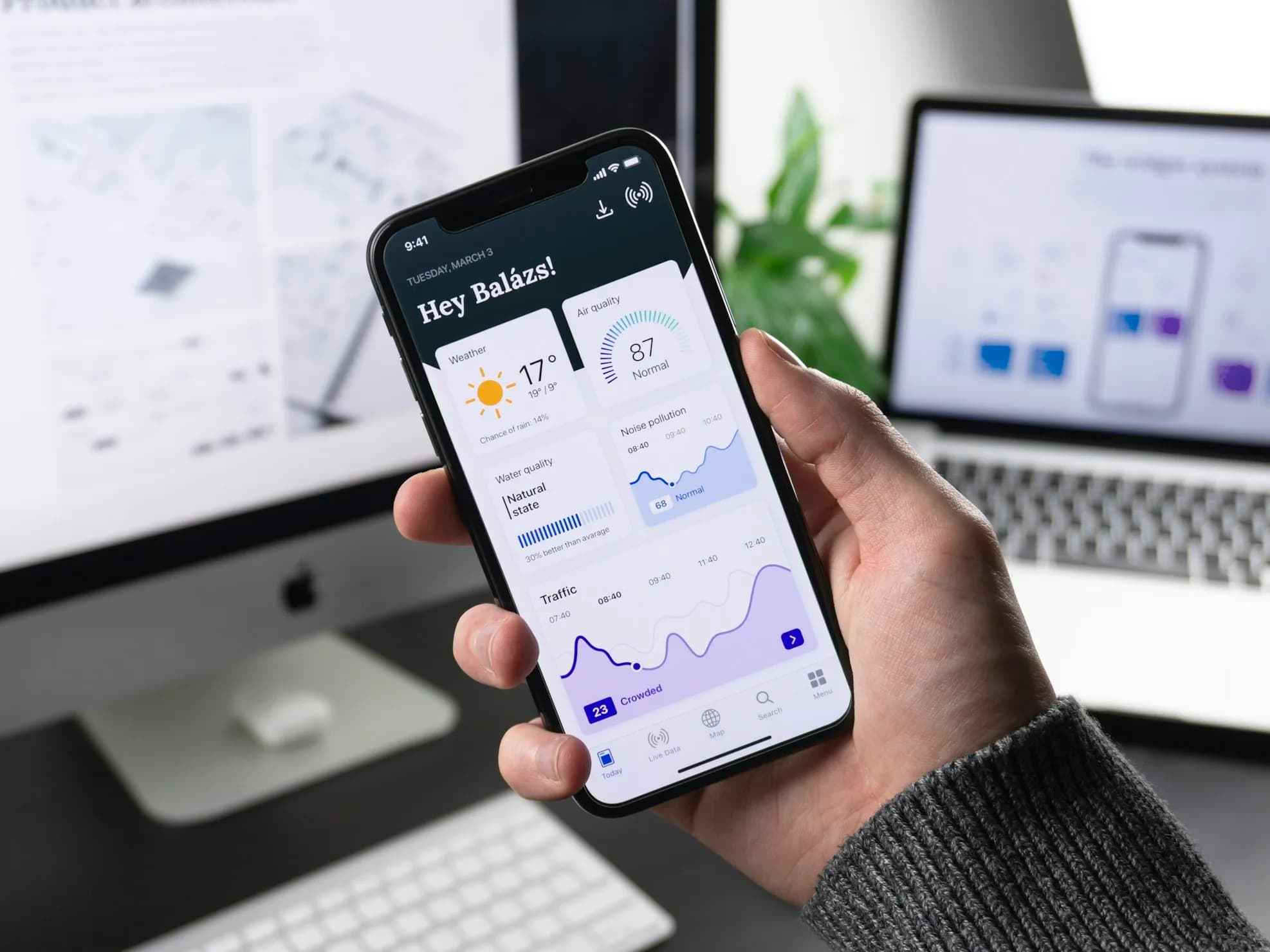
Top Phones with Variable Refresh Rate (LTPO) Displays
Smoothness meets efficiency. We explain why LTPO technology is the secret to great battery life in 120Hz smartphones.
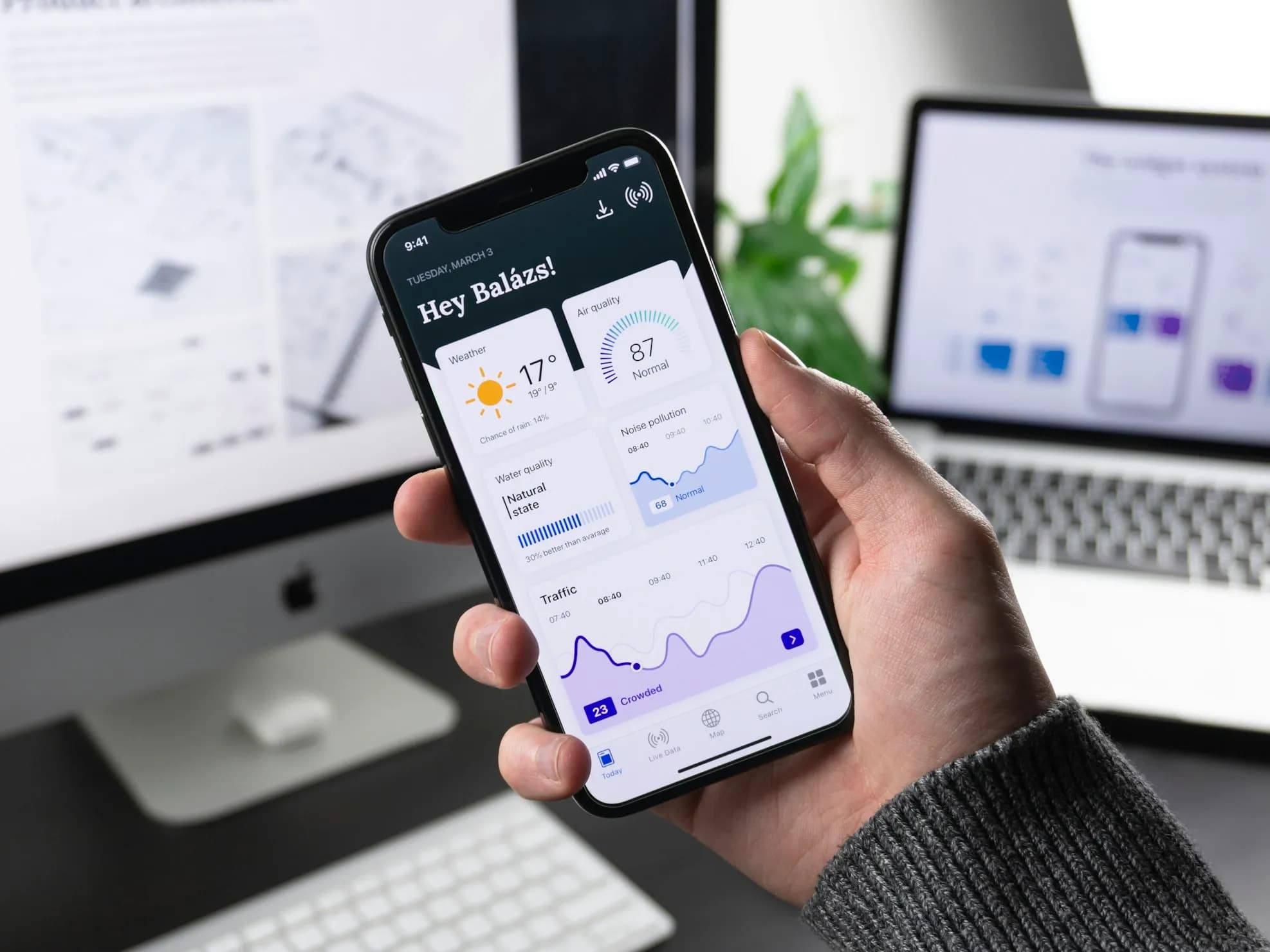
Phones with the Brightest Displays (2000+ Nits) for Outdoor Use
Visibility in direct sunlight is a technical frontier. We analyze the devices reaching 2000+ nits and how they handle the resulting heat.
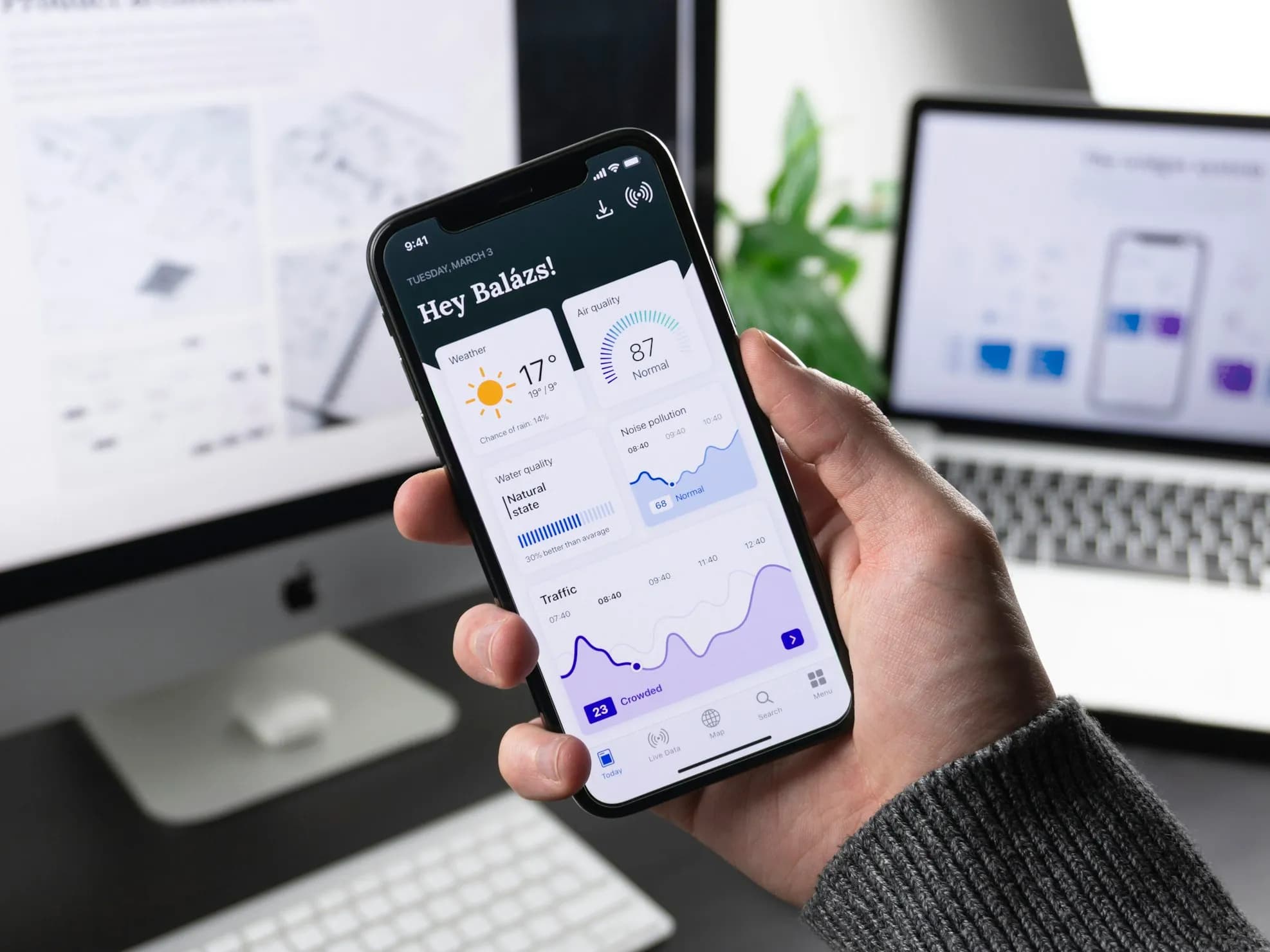
Top Budget Phones with 120Hz Refresh Rate Screens
High refresh rates are no longer premium. We list the most affordable smartphones that offer a smooth 120Hz display in 2026.